Best Wine Subscriptions 2026: 5 Compared
Five wine subscriptions from $13 to $50+ per bottle, ranging from algorithm-personalized selections for everyday drinkers to curated collections for serious collectors. Taste consistency between batches matters more than health claims on the label.
Quick answer
Winc is the default pick for everyday drinking: algorithm-matched selections at $13 to $20 a bottle, free shipping on four or more, and a rating feedback loop that measurably improves personalization over three or four shipments. Firstleaf offers the best entry discount at six bottles for $39.95, Naked Wines banks $40 monthly as credit for 30 to 50 percent below retail with no forced shipments, Wine Access carries sommelier-level notes at $30 to $100-plus a bottle, and BRIGHT Cellars teaches beginners through a flavor wheel at $22.
Each subscription was evaluated on per-bottle delivered price, algorithm personalization accuracy after three shipments, skip/pause self-serve convenience, natural wine availability, and tasting note educational depth.

Winc Wine Subscription
Best Overall: Winc's algorithm-matched selections at $13–20/bottle with free shipping on four-plus bottles make it the most frictionless everyday wine subscription. The rating feedback loop genuinely improves personalization over three to four shipments.
No partner store here — this opens an Amazon search.
| Product | Price | Link |
|---|---|---|
| $59.95Reference price | No partner store here — this opens an Amazon search. | |
| $13.33Reference price | No partner store here — this opens an Amazon search. | |
| $13Reference price | No partner store here — this opens an Amazon search. | |
| $15.98Price as of 2026-09-20 | ||
| $20Reference price | No partner store here — this opens an Amazon search. |
| Product | Price per bottle | Shipment size | Shipping | Skip policy | IPO/Certification | Intro price | Ongoing price | Winery network | Monthly credit | Angel discount | Shipment type | Cancel policy | Producer focus | Curation style | Natural wine | Tasting notes | Monthly cost | Education system |
|---|---|---|---|---|---|---|---|---|---|---|---|---|---|---|---|---|---|---|
| Winc Wine Subscription | $13–20 | 4 bottles/month | Free on 4+ bottles | Self-serve, 24hr notice | US-based, own label | — | — | — | — | — | — | — | — | — | — | — | — | — |
| Firstleaf Wine Subscription | — | 6 bottles | — | Self-serve, up to 2 months pause | — | $39.95/6 bottles | ~$15–25/bottle | International | — | — | — | — | — | — | — | — | — | — |
| Naked Wines Angel Membership | — | — | — | — | — | — | — | — | $40 | 30–50% off retail | Demand-driven (no auto-ship) | Self-serve | Independent winemakers | — | — | — | — | — |
| Wine Access Membership | $30–100+ | — | — | — | — | — | — | — | — | — | — | Self-serve | — | Editorial / sommelier | Yes, alongside conventional | Production context + regional typicity | — | — |
| BRIGHT Cellars Wine Subscription | $22 | 4 bottles/month | — | — | — | — | — | — | — | — | — | Support contact required | — | — | — | — | $88 | Flavor wheel archetype |
Top picks
Related articles
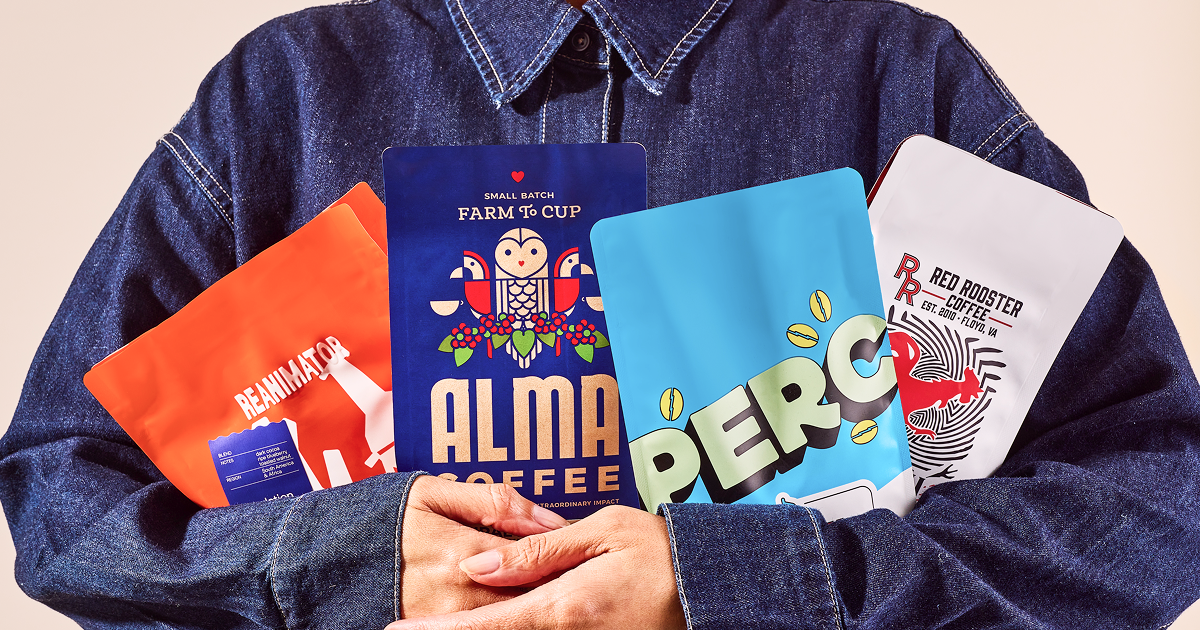

Best everyday personalized wine subscription — algorithm-matched selections from Winc house labels and partner wineries at $13-20/bottle, free shipping on 4+ bottles. Ratings feedback loop improves personalization over time. Best for drinkers who want consistent quality on autopilot. Limitation: own-label wines dominate lower price points; quality ceiling is lower than curator services.
Winc's algorithm-matched selections at $13–20/bottle with free shipping on four-plus bottles make it the most frictionless everyday wine subscription. The rating feedback loop genuinely improves personalization over three to four shipments. The trade-off is that Winc's own-label wines dominate lower price points, capping quality below independent curator services.
Pros
- ✓Algorithm improves measurably after consistent ratings
- ✓Free shipping on 4+ bottles
- ✓Self-serve skip/pause in two clicks
Cons
- ✗Own-label wines limit quality ceiling vs curator services
Score breakdown
| Price per bottle | $13–20 |
| Shipment size | 4 bottles/month |
| Shipping | Free on 4+ bottles |
| Skip policy | Self-serve, 24hr notice |
| IPO/Certification | US-based, own label |
No partner store here — this opens an Amazon search.
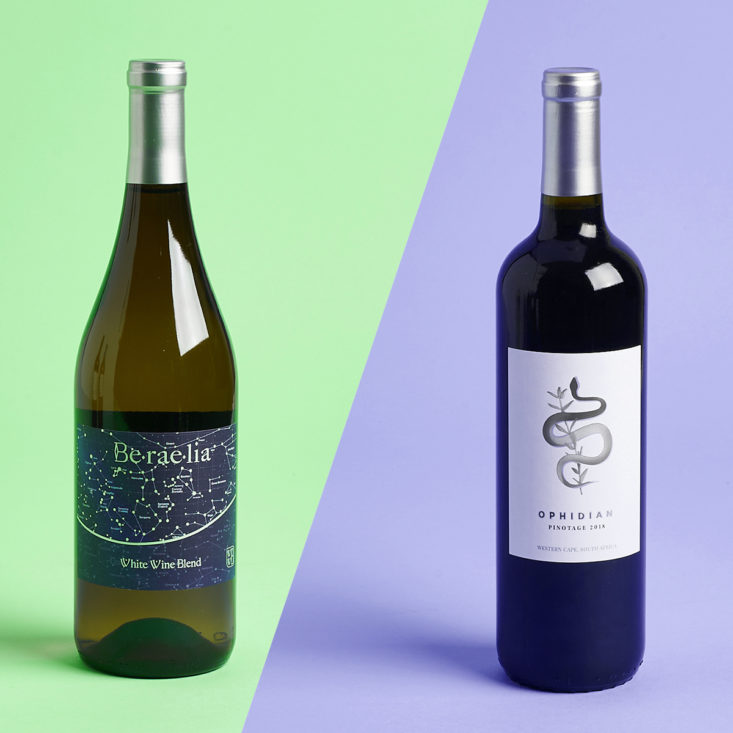
Best introductory value — six bottles for $39.95 plus shipping on first shipment, standard pricing ~$15-25/bottle ongoing. Algorithm personalizes based on quiz and ratings. Best for new subscribers who want to start at a discounted trial price. Limitation: cancellation requires navigating a retention flow; algorithm calibration takes 3-4 shipments.
Six bottles for $39.95 on the first shipment is the best entry discount in this category — a real price reduction, not a marketing trick. The algorithm calibrates well once you've rated consistently across three or four deliveries. Cancellation requires navigating a retention flow rather than a single click, which is the main friction point.
Pros
- ✓Best first-shipment discount ($39.95 for 6 bottles)
- ✓Wide winery network for variety
- ✓Algorithm improves after 3–4 shipments
Cons
- ✗Cancellation requires retention flow, not one-click
Score breakdown
| Intro price | $39.95/6 bottles |
| Ongoing price | ~$15–25/bottle |
| Shipment size | 6 bottles |
| Skip policy | Self-serve, up to 2 months pause |
| Winery network | International |
No partner store here — this opens an Amazon search.
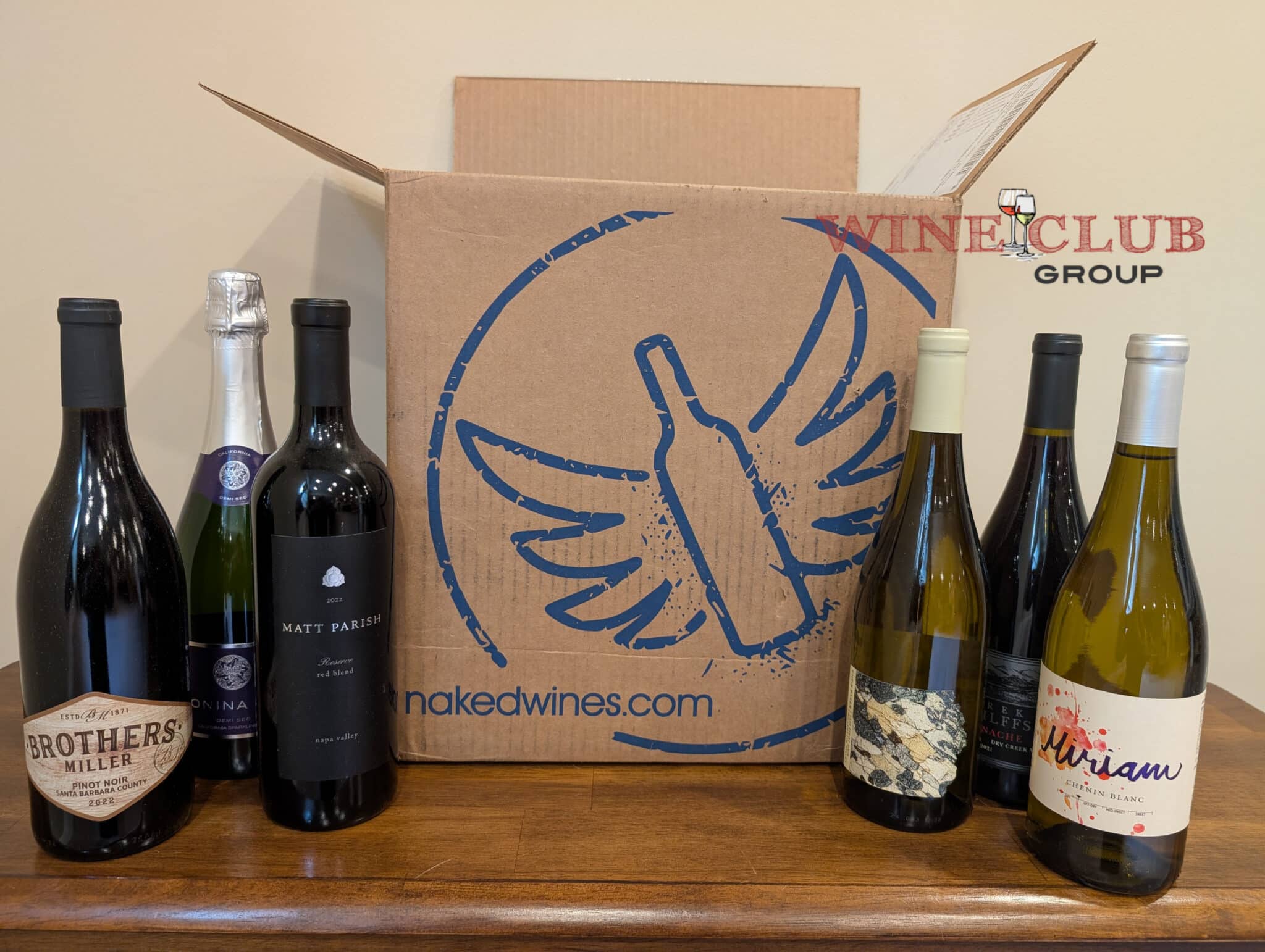
Best independent winemaker access — $40/month Angel credit unlocks 30-50% discounts versus retail on wines from independent producers. Demand-driven model (you shop when you want, no forced automatic shipments). Best for drinkers who want verifiable savings and independent producer access. Limitation: $40/month commitment regardless of purchase; catalog lighter on New World and natural wines.
Naked Wines' Angel membership deposits $40/month as credit, unlocking 30–50% below retail on wines from independent producers. The savings are independently verifiable — wines priced at $25–35 retail are available to Angels at $12–18. The demand-driven model (no forced shipments) is the most flexible structure of the five, but the $40 commitment runs even in months you don't buy.
Pros
- ✓30–50% verifiable savings vs retail
- ✓No forced auto-shipments — shop when you want
- ✓Wide independent winemaker access
Cons
- ✗$40/month commitment regardless of purchase activity
Score breakdown
| Monthly credit | $40 |
| Angel discount | 30–50% off retail |
| Shipment type | Demand-driven (no auto-ship) |
| Cancel policy | Self-serve |
| Producer focus | Independent winemakers |
No partner store here — this opens an Amazon search.
Subscribe to our newsletter
Occasional updates and new releases — no spam.
Best for serious enthusiasts — premium curation at $30-100+/bottle with the best tasting notes and wine education in the category. Editorial selection covers a wide range including natural and conventional. Best for wine enthusiasts who want to build knowledge alongside their collection. Limitation: price point eliminates it as an everyday-drinking subscription.
Wine Access delivers the best tasting notes and editorial curation in this category — production context, regional typicity, and flavor expectations written by wine professionals rather than marketing copy. At $30–100+ per bottle, it is not an everyday-drinking subscription, but the quality at that tier and the educational depth justify the premium for serious collectors.
Pros
- ✓Best tasting notes and wine education by wide margin
- ✓Covers natural and conventional with equal rigor
- ✓Sommelier-level curation and selection quality
Cons
- ✗Price ($30–100+/bottle) eliminates it as everyday drinking
Score breakdown
| Price per bottle | $30–100+ |
| Curation style | Editorial / sommelier |
| Natural wine | Yes, alongside conventional |
| Tasting notes | Production context + regional typicity |
| Cancel policy | Self-serve |

Best for wine beginners — structured palate development with flavor wheel archetype system, $22/bottle (4 bottles at $88/month). Explicit educational framing on each bottle about how it expands your palate. Best for new wine drinkers who want a guided learning path. Limitation: experienced drinkers find the scaffolding unnecessary; cancellation requires contacting support rather than self-serve portal.
BRIGHT Cellars' flavor wheel archetype system assigns you a palate profile and then deliberately includes one wine outside your comfort zone each shipment — the educational framing on each bottle is genuinely useful for new wine drinkers. At $22/bottle ($88/month for four), the price is fair for the learning structure. Experienced drinkers will find the scaffolding unnecessary, and cancellation requires a support contact rather than a self-serve portal.
Pros
- ✓Flavor wheel palate development system unique in category
- ✓Educational note on each bottle explains what it teaches
- ✓Structured progression toward broader wine knowledge
Cons
- ✗Cancellation requires contacting support (no self-serve portal)
Score breakdown
| Price per bottle | $22 |
| Shipment size | 4 bottles/month |
| Monthly cost | $88 |
| Cancel policy | Support contact required |
| Education system | Flavor wheel archetype |
No partner store here — this opens an Amazon search.
Which one is right for you?
For everyday autopilot drinkers
Winc Wine Subscription
Algorithm-matched selections delivered on schedule without having to think about wine shopping — skip and pause in two clicks.
For first-time subscribers
Firstleaf Wine Subscription
Best introductory discount in the category; the algorithm calibrates after a few rated shipments.
For independent wine supporters
Naked Wines Angel Membership
Angel credit funds independent winemakers directly and unlocks 30–50% savings you can verify against retail prices.
For serious collectors
Wine Access Membership
Sommelier-curated selections at premium tiers with the best tasting notes and wine education available in a subscription format.
For complete beginners
BRIGHT Cellars Wine Subscription
Flavor wheel archetype system creates a guided palate development path that no other service in this comparison offers.
Personalization algorithms: how each service matches wine to your palate
The palate quiz is the entry point for every personalized wine subscription, but the depth of what it captures varies significantly. Winc's signup quiz covers your taste preferences across seven flavor categories — from dry and earthy to sweet and fruity — and uses these inputs to match wines from its own production label and partner wineries. Each bottle you rate feeds the matching algorithm directly; wines you dislike stop appearing, and the system steers toward your stated preferences over time. The matching is most accurate for drinkers who engage consistently with the rating interface after each delivery.
Firstleaf runs a similar model with an initial six-question quiz covering sweetness preference, whether you prefer bold or light reds, and what foods you pair wine with regularly. The algorithm then selects from a broader network of wineries, and the feedback loop works on the same principle as Winc — your ratings adjust future selections. Firstleaf leans more heavily on the quiz data in the first few shipments, so the early boxes tend to be more formulaic before personalization kicks in fully. After three or four shipments with consistent ratings, the matching quality improves measurably.
BRIGHT Cellars takes the most explicit educational approach to personalization: the quiz maps your taste profile to a proprietary flavor wheel and assigns you a palate archetype (Fruit-Forward, Dry & Earthy, Rich & Bold, etc.), then selects wines specifically to explore the edges of that archetype. The design intent is to gradually expand your palate rather than simply reinforce current preferences — each shipment includes one wine squarely in your comfort zone and one or two that push slightly outside it. This approach works well for beginners who want to develop their palate; it's less useful for buyers who already know what they want and don't want to be challenged.
Value per bottle and subscription pricing math
Wine subscription pricing is less transparent than coffee subscription pricing because retail comparables are harder to verify — a bottle described as 'equivalent to $30 retail' has no independent reference point the way a bag of beans with a roast date does. The honest comparison is what you pay per bottle delivered, and whether those wines deliver consistent quality at that price point.
Winc ships four bottles per month at roughly $13-20 per bottle depending on the wines selected, with free shipping on orders of four or more bottles. The house labels (made under Winc's own production) tend to sit at the lower end of that range; the partner winery selections run higher. Firstleaf's introductory pricing is heavily discounted (six bottles for $39.95 plus shipping in the first shipment), but the standard ongoing price runs approximately $15-25 per bottle. The introductory discount is a real value, but the renewal pricing is the number that matters for long-term use.
Naked Wines operates on a fundamentally different model: Angel membership ($40/month stored as credit) gives you access to discounted prices from independent winemakers who are funded directly by member subscriptions. The retail-equivalent savings are real and independently verifiable — wines that retail for $25-35 are available to Angels at $12-18 per bottle. The catch is that the $40/month credit is a commitment even in months when you don't want wine, and the catalog is heavily weighted toward European producers. Wine Access sits at the premium end of the spectrum: bottles run $30-100+ each, and the editorial curation is aimed at serious wine enthusiasts rather than casual drinkers. BRIGHT Cellars runs $88 for four bottles monthly, putting the per-bottle cost at $22 — higher than Winc or Firstleaf but competitive with the wine quality tier it targets.
Skip, pause, and cancel flexibility
Wine has a more urgent logistics problem than coffee: bottles are heavy, delivery requires an adult signature in most US states, and a box of 12 bottles sitting on a doorstep in July heat or February cold is a real quality risk. The question of pause and skip flexibility matters more for wine than for most other subscription categories.
Winc allows skipping individual months and pausing your subscription for up to three months through the account portal, with a 24-hour window before the next billing cycle to make changes. The interface is straightforward; skipping requires two clicks and doesn't require a support contact. Firstleaf has a similar self-serve skip function and allows pausing for up to two months; some users report that the pause interface is less intuitive than Winc's, and cancellation requires navigating through a retention flow before reaching a confirmed cancel state.
Naked Wines is structurally different: because the $40/month is deposited as credit rather than triggering an automatic shipment, you can simply let credit accumulate and spend it when you want wine. This is the most flexible model of the five — there's no automatic shipment to skip because the default is credit accumulation, not delivery. Wine Access operates on a similar demand model: you shop from the curated catalog using your membership, rather than receiving automatic shipments. BRIGHT Cellars has the least flexible cancellation flow of the five — cancellation requires contacting customer support rather than a self-serve portal option, which is a meaningful friction point for subscribers who want to pause seasonally.
Natural, organic, and biodynamic wine options
Interest in natural wine has grown substantially over the past five years, and wine subscriptions vary significantly in how much they accommodate natural-leaning preferences. The terminology matters: 'natural wine' typically means minimal intervention (native yeast fermentation, no added sulfites or very low SO2, no filtering or fining), while 'organic' or 'biodynamic' refers to farming practices that may or may not translate to minimal intervention in the cellar.
Winc produces some wines under its own label with lower-intervention methods and allows palate quiz customization to filter toward organic and low-sulfite options, but the catalog is mixed — conventional wines dominate at the lower price points. Naked Wines has the widest selection of independent winemakers, and a meaningful subset of Angel-funded producers work with organic or sustainable practices, though natural wine as a category isn't explicitly filterable in the catalog interface. You have to browse producer notes to identify who is working in that direction.
Wine Access curates explicitly for quality regardless of production method and covers natural and conventional wines equally, with tasting notes that describe production approach when it's relevant to flavor. BRIGHT Cellars does not have a strong natural wine focus — the catalog is conventional across most of its selections, and the palate-development model is agnostic about production philosophy. Firstleaf similarly doesn't differentiate natural from conventional in its quiz or filtering, though you can rate wines negatively if funky natural fermentation notes aren't your preference and the algorithm will steer away from them.
Tasting note quality and wine education
The tasting notes in a wine subscription are either useful or decorative, and the difference matters more than it seems on a marketing page. Notes that say 'notes of dark cherry with a hint of vanilla and a lingering finish' tell you nothing actionable about what to expect or how to approach the wine. Notes that explain why a particular Malbec from Mendoza at 4,500 meters elevation shows different tannin structure than a valley-floor bottling give you something to calibrate against the next time you encounter high-altitude Argentine wine.
Wine Access writes the best tasting notes of the five services by a meaningful margin. The editorial team includes wine professionals whose notes describe production context, regional typicity, and specific flavor expectations in ways that develop knowledge rather than just describe a bottle. Naked Wines producer notes focus more on the winemaker's story and philosophy than on technical flavor description — the content is engaging but not technical, which suits casual drinkers better than enthusiasts trying to build vocabulary.
Winc and Firstleaf both include tasting notes on each bottle, but the notes are primarily descriptive rather than educational — they tell you what to taste rather than why the wine tastes that way. BRIGHT Cellars provides the most explicitly educational packaging: each bottle comes with a note explaining how it fits into your flavor profile, what the wine is supposed to teach you about a particular style, and how to compare it to previous bottles in your shipment history. For beginners, this framing is genuinely useful. For experienced wine drinkers, the explanatory scaffolding may feel patronizing.
Where each fits
Winc is the right subscription for most everyday wine drinkers who want personalized selections delivered on a schedule without having to think about wine shopping. The algorithm is reasonably accurate, the per-bottle pricing is competitive, and the account management tools handle pause and skip without friction. The honest limitation: Winc's own-label wines dominate lower price points and the quality ceiling is lower than independent curator services.
Firstleaf is the right choice for drinkers who want to start with a heavily discounted introductory box and are willing to engage with the rating system consistently to improve future selections. The introductory offer is the best value of the five services for new subscribers. The honest limitation: the algorithm needs consistent feedback to calibrate, and cancellation involves a retention flow rather than a clean one-click process.
Naked Wines is the right choice for drinkers who want genuine independent winemaker access and real verifiable savings versus retail prices. The Angel membership model gives you wine on your terms — you shop when you want rather than receiving automatic shipments, and the Angel-funded producer network is genuinely interesting. The honest limitation: the $40/month commitment runs regardless of whether you buy wine that month, and the catalog is lighter on New World and natural wine selections.
Wine Access is the right subscription for serious wine enthusiasts and collectors who want editorial curation at a level that challenges and informs rather than simply fulfills. The per-bottle price is high but the selection quality at that tier is consistently strong, and the tasting notes are the best educational resource of the five. The honest limitation: the price point eliminates it as an everyday-drinking subscription for most buyers.
BRIGHT Cellars is the right subscription specifically for wine beginners who want a structured palate development program with explicit educational context. The flavor wheel system and archetype tracking create a learning path that is absent from other services. The honest limitation: experienced drinkers will find the scaffolding unnecessary, and cancellation is less convenient than competitor services.
Verdict
For most wine drinkers who want reliable personalized selections at a competitive price, Winc is the most practical entry point. The palate matching covers the range from everyday $13 bottles to more considered selections, the skip and pause tools work without friction, and the algorithm improves with consistent rating. Give it three shipments before judging the match quality.
Firstleaf offers the best first-shipment value in the category and is worth the introductory discount for anyone curious about wine subscriptions who doesn't want to commit at full price from the start. Naked Wines is the correct choice if the model of funding independent winemakers in exchange for discounted access aligns with how you want to think about wine buying. Wine Access is for buyers who want the sommelier experience — expert selection, educational notes, and quality that rewards attention. BRIGHT Cellars is the right place to start if you're new to wine and want the subscription to teach you something.
Frequently asked questions
How many bottles does a typical wine subscription ship per month?▼
Do wine subscriptions ship to all US states?▼
What's the difference between a wine subscription and a wine club?▼
Is natural wine available in mainstream wine subscriptions?▼
How does Naked Wines' Angel membership actually work?▼
Prices change. Check the retailer for the current price.
Comments & questions
Discussion happens on nattzy, our community forum. Sign in with Google to post — it takes a second.
Related articles
Food
Best Rice Cookers 2026: 5 Top Models Compared
Best Rice Cookers 2026: 5 Top Models Compared
Best Air Fryer 2026: 5 Models Compared Honestly
Best Air Purifier 2026: 5 models compared honestly

ConoHa WING review (2026): setup, speed and pricing
Best JP rental server 2026: 5 hosts ranked
Best LED Face Masks 2026: 3 Light Therapy Devices Compared