Best Coffee Subscriptions 2026: 5 Compared
Five coffee subscriptions from $14 to $25 per bag, covering the range from AI-matched personalized roast profiles to blind tasting samplers for coffee explorers to a reliable mainstream ground that sh. The grind, water temp, and ratio matter far more than which brewer you choose.
Quick answer
For most subscribers, Trade Coffee is the pick — its preference-matching algorithm draws from 60+ independent roasters and ships in 1–3 days, so the beans fit your taste without you researching roasters. Atlas Coffee Club sends a new producing country monthly, Onyx roasts to order and ships within 24–48 hours, Angels' Cup trains your palate with blind samples, and Peet's is the cheapest per ounce.
Each subscription was evaluated on roast-date freshness at delivery, personalization accuracy after 3+ orders, price per ounce normalized across bag sizes, grind options, and ease of pausing or skipping shipments.
Trade Coffee Subscription
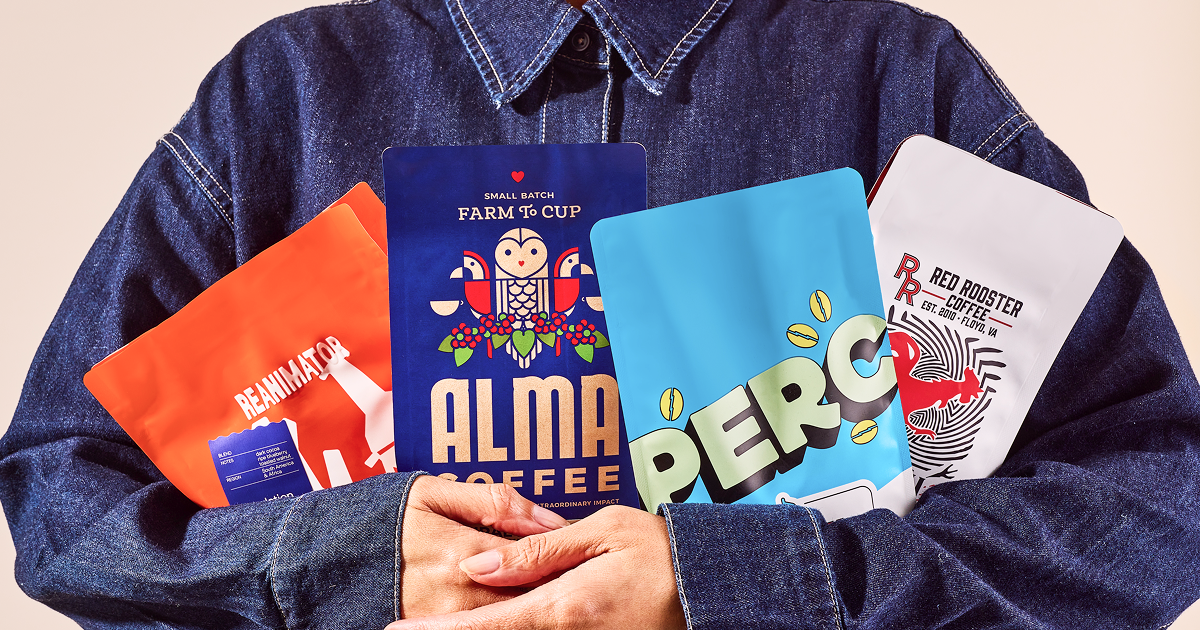
Best Overall: Trade Coffee's preference-matching algorithm pulls from over 60 independent roasters and ships within 1-3 days of roast — a combination no single-roaster subscription can match for variety and freshness simultaneously. The honest trade-off: the algorithm needs 3-5 orders to calibrate, so early bags may miss the mark.
Top picks ↓| Product | Price | Link |
|---|---|---|
| $28.95Price as of 2026-09-20 | ||
| $59.99Price as of 2026-09-20 | ||
| $24.50Price as of 2026-09-20 | ||
| $4.79Price as of 2026-09-20 | ||
| $18.95Reference price |
| Product | Roaster network | Ships after roast | Bag size | Price range | Grind options | Subscription flexibility | Sourcing model | Sample size | Blend |
|---|---|---|---|---|---|---|---|---|---|
| Trade Coffee Subscription | 60+ independent roasters | 1–3 days | 10–12 oz | $14–$22/bag | Whole bean + 4 pre-ground types | Weekly to every 8 weeks | — | — | — |
| Atlas Coffee Club | — | 1–4 days | 12 oz | $14–$19/bag including shipping | Whole bean (ground on request) | Skip, pause, or cancel anytime | Single-origin, monthly rotating country | — | — |
| Onyx Coffee Lab Subscription | — | 24–48 hours | 10–12 oz | $18–$22/bag | Whole bean only | Self-serve dashboard, pause/skip available | Single roaster (Onyx's own roasts) | — | — |
| Angels' Cup Subscription | — | 1–5 days | — | $10–$14 for 4-sample pack | Pre-ground samples; whole bean in bag subscriptions | Online cancel and skip from member portal | Multi-roaster blind sample sets | 4 samples per set (~1 oz each) | — |
| Peet's Coffee Major Dickason's Blend Subscription | — | Within days via direct channel | 12 oz | $12–$15/bag with free shipping | Whole bean and all grind types | Skip and pause through Peet's portal | — | — | Major Dickason's Blend (dark roast) |
Top picks
Related articles


Best personalized subscription — AI-matched whole bean from 60+ roasters, $14-22/bag, ships within 1-3 days of roast. Ratings feedback loop improves matches over time. Best for curious drinkers who want variety without research. Limitation: algorithm needs 3-5 orders to calibrate; pricing varies widely by roaster tier.
Trade Coffee's preference-matching algorithm pulls from over 60 independent roasters and ships within 1-3 days of roast — a combination no single-roaster subscription can match for variety and freshness simultaneously. The honest trade-off: the algorithm needs 3-5 orders to calibrate, so early bags may miss the mark.
Pros
- ✓60+ roaster network covers a wide range of origins and styles
- ✓Roast date printed on every bag — full freshness transparency
- ✓Ratings feedback loop continuously refines future matches
Cons
- ✗Early deliveries may not match your palate until the algorithm learns your ratings
Score breakdown
| Roaster network | 60+ independent roasters |
| Ships after roast | 1–3 days |
| Bag size | 10–12 oz |
| Price range | $14–$22/bag |
| Grind options | Whole bean + 4 pre-ground types |
| Subscription flexibility | Weekly to every 8 weeks |

Best single-origin world tour — new producing country every month, roast-date stamped bags, $14-19/12 oz including shipping. Educational postcards with origin context. Best for drinkers who approach coffee geographically. Limitation: no personalization — you get Atlas's editorial picks, not preference-matched selections.
Atlas Coffee Club delivers a different producing country every month with roast-date stamped bags and an educational postcard — the best format for drinkers who approach coffee the way a wine enthusiast approaches regional exploration. No personalization means you get Atlas's editorial picks, not preference-matched selections.
Pros
- ✓New origin country every month with genuine geographic variety
- ✓Roast-date stamped, ships within days of roast
- ✓Origin postcards with tasting notes and processing method details
Cons
- ✗No personalization — cannot specify taste preferences or exclude process types
Score breakdown
| Sourcing model | Single-origin, monthly rotating country |
| Ships after roast | 1–4 days |
| Bag size | 12 oz |
| Price range | $14–$19/bag including shipping |
| Grind options | Whole bean (ground on request) |
| Subscription flexibility | Skip, pause, or cancel anytime |
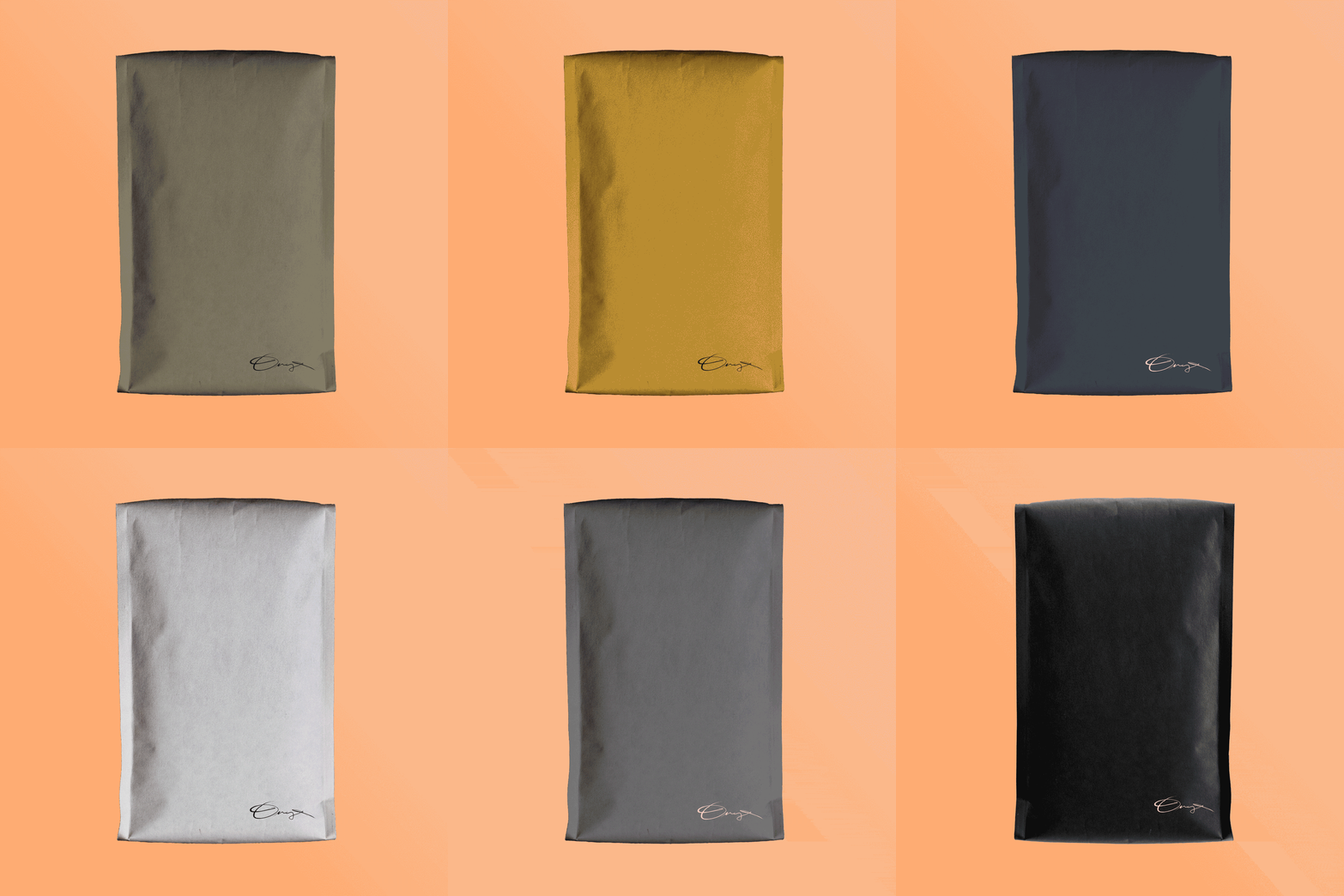
Best specialty roaster subscription — Onyx roasts to order, ships within 24-48 hrs of roast, $18-22/bag. Lighter roasts, process-forward lots, consistently high cup quality. Best for buyers who already know they prefer light-roasted specialty coffee. Limitation: narrow aesthetic, high price tier, limited variety vs multi-roaster services.
Onyx roasts to order and ships within 24-48 hours of roasting — among the fastest in the category — and their sourcing targets high-scoring, process-forward lots that you won't find at grocery retail. The narrow aesthetic (lighter roasts, fruit-forward) is a strength for buyers who already know they want it and a limitation for anyone seeking variety.
Pros
- ✓Roasts to order, ships within 24–48 hours — fastest fresh delivery here
- ✓Consistently high-quality sourcing: competition-level lots and process transparency
- ✓Subscription discount makes premium pricing more sustainable
Cons
- ✗Narrow roast aesthetic — not suitable for dark-roast or blend preferences
Score breakdown
| Sourcing model | Single roaster (Onyx's own roasts) |
| Ships after roast | 24–48 hours |
| Bag size | 10–12 oz |
| Price range | $18–$22/bag |
| Grind options | Whole bean only |
| Subscription flexibility | Self-serve dashboard, pause/skip available |
Subscribe to our newsletter
Occasional updates and new releases — no spam.
Best for coffee explorers — blind tasting sample packs ($10-14 for 4 samples), ships within 1-5 days of roast. Forces palate development by tasting without origin bias. Best used alongside a regular bag subscription. Limitation: sample format not practical as primary daily supply; per-ounce cost is high for the sample tier.
Angels' Cup sends numbered, unlabeled sample packs designed for blind tasting before revealing origins — a genuinely unique format that builds tasting skill rather than habit. The per-ounce cost is the highest of the five, and the format doesn't work as a primary daily coffee supply.
Pros
- ✓Blind tasting format removes origin bias and develops accurate palate assessment
- ✓Ships within 1-5 days of roast with numbered sample packaging
- ✓Memberships reveal origin details post-tasting for structured learning
Cons
- ✗Sample format is not practical as primary daily coffee supply — high per-ounce cost
Score breakdown
| Sourcing model | Multi-roaster blind sample sets |
| Ships after roast | 1–5 days |
| Sample size | 4 samples per set (~1 oz each) |
| Price range | $10–$14 for 4-sample pack |
| Grind options | Pre-ground samples; whole bean in bag subscriptions |
| Subscription flexibility | Online cancel and skip from member portal |

Peet's Coffee Major Dickason's Blend Subscription
Best mainstream ground coffee subscription — Major Dickason's Blend at ~$12-15/12 oz, free shipping, no learning curve. Consistent dark roast, widely loved for its predictability. Best for drinkers who want the same reliable cup every morning. Limitation: zero variety; dark roast profile won't satisfy light-roast specialty enthusiasts.
Peet's Major Dickason's Blend subscription offers consistent dark-roast quality at the lowest price per ounce of the five, with free shipping and no learning curve. It's the right answer for anyone who wants the same reliable cup every morning — and entirely the wrong one for anyone interested in specialty roasts or variety.
Pros
- ✓Lowest price per ounce with free shipping included
- ✓Consistent dark-roast character — no surprises or rotating varietals
- ✓Widely available pre-ground options — no grinder required
Cons
- ✗Zero variety; dark roast profile won't satisfy light-roast specialty coffee drinkers
Score breakdown
| Blend | Major Dickason's Blend (dark roast) |
| Ships after roast | Within days via direct channel |
| Bag size | 12 oz |
| Price range | $12–$15/bag with free shipping |
| Grind options | Whole bean and all grind types |
| Subscription flexibility | Skip and pause through Peet's portal |
Which one is right for you?
For curious drinkers who want variety without research
Trade Coffee Subscription
The preference algorithm handles roaster discovery; you just rate what you receive.
For the geography-driven coffee explorer
Atlas Coffee Club
A different country every month with origin context — systematic and educational.
For buyers who already prefer light, process-forward specialty coffee
Onyx Coffee Lab Subscription
Roasts to order with the fastest ship time and no compromise on quality tier.
For those who want to develop their palate through blind tasting
Angels' Cup Subscription
The only subscription structured as a tasting exercise rather than a daily supply.
For anyone who just wants reliable dark-roast ground coffee delivered
Peet's Coffee Major Dickason's Blend Subscription
Consistent, affordable, pre-ground — no learning curve, no surprises.
Roast date freshness: the number that determines whether the subscription is worth it
Coffee peaks between 5 and 21 days after roast. Before 5 days, CO2 off-gassing from freshly roasted beans can suppress extraction and flatten flavor. After 21 days, oxidation accelerates and brightness drops noticeably — the citrus and stone fruit notes that distinguish specialty coffee from commodity coffee fade first, leaving a flatter, more uniform cup. Ground coffee peaks even faster: the surface area exposed to oxygen increases roughly 1,000-fold when beans are ground, compressing the useful window to days rather than weeks.
Most grocery coffee has no roast date disclosure and was likely roasted 90-120 days before reaching the shelf. Subscription services vary dramatically on this dimension. Trade Coffee ships within 1-3 days of roast from its network of over 60 roasters, with roast date printed on every bag — the freshness transparency is a core part of the value proposition. Atlas Coffee Club ships within a few days of roast and stamps bags with roast dates. Onyx Coffee Lab roasts to order and ships within 24-48 hours of roasting. Angels' Cup ships within 1-5 days of roast for its sample sets, though the sample packaging (small numbered bags) means you often don't see the origin details until after tasting.
Peet's Major Dickason's Blend subscription ships within days of roasting through Peet's direct channel, but the blend uses a dark roast profile that is more forgiving of age than single-origin light roasts — the roasted, chocolatey character that defines it is less sensitive to the oxidation that strips fruity notes. This doesn't mean freshness doesn't matter; it means the gap between fresh and stale is less dramatic for a dark blended roast than for a light single-origin.
Personalized matching vs curated selection: how each model works
Trade Coffee uses a preference quiz on signup — roast level, flavor notes, brew method, how you take your coffee — and matches orders from its roaster network using an algorithm that refines over time based on your ratings. Each delivery is from a different roaster unless you override it. If you don't rate, the algorithm has nothing to learn from; the system rewards engaged users who provide feedback after each bag. The roaster diversity is genuinely wide — small regional roasters appear alongside established names — and the matchmaking reduces the risk of ending up with a roast that's wrong for your palate without having to research individual roasters yourself.
Atlas Coffee Club operates on a different model: it curates single-origin coffees from a different country each month. The editorial selection is global by design — you might get a washed Ethiopian one month, a honey-processed Costa Rican the next, a natural Brazilian after that. There's no personalization algorithm; instead, you get Atlas's curation of what's interesting in the specialty coffee world, accompanied by a postcard with tasting notes and origin information. This model works best for people who are curious about geography and process rather than optimizing for a specific cup profile.
Onyx Coffee Lab takes a different approach still: Onyx is itself a specialty roaster, not a multi-roaster marketplace. Subscribing to Onyx means subscribing to Onyx's aesthetic — lighter roasts, process-forward coffees, high-scoring lots. You're not getting matched; you're opting into a point of view. Angels' Cup's blind tasting model is the most hands-on: you receive several small unlabeled samples, taste them without knowing the origin or price, and score them before revealing the details. It's designed to develop your palate and challenge preconceptions about what you prefer.
Grind options and brew method compatibility
Whole bean is universally available across all five services and is the default recommendation for any subscriber who owns a grinder, because grinding fresh at home extends the useful window significantly. Ground coffee loses a measurable amount of aromatics within 15-30 minutes of grinding — the difference between grinding for a pour-over in the morning versus grinding a week's worth on Sunday is audible to anyone paying attention.
Trade Coffee offers whole bean and a range of pre-ground options (drip, espresso, French press, pour-over) if you select a grind at account setup. The grind option is tied to your profile and applied automatically to each order. Atlas Coffee Club ships whole bean only by default, with ground available on request — the service leans toward customers who already own grinders and are interested in the full brewing process. Onyx ships whole bean only; their site explicitly discourages pre-ground for the same freshness reasons. Angels' Cup ships pre-ground samples in its sample sets (you can't practically grind 1-oz samples at home) but offers whole bean in its regular bag subscriptions. Peet's offers both whole bean and ground in any grind type — this is the practical choice for anyone without a grinder who wants a reliable subscription without the complexity of managing whole beans.
The brew method has direct implications for grind coarseness if you're ordering pre-ground: an espresso grind on a pour-over produces an over-extracted, bitter cup; a drip grind on an espresso machine produces an under-extracted, weak shot. Get this wrong once, and a week of mornings is compromised. If you're using pre-ground and switch brew methods, you need to update your subscription grind setting manually — Trade Coffee makes this easy in the account dashboard; other services require contacting support.
Price per ounce and subscription math
The per-ounce math on coffee subscriptions is more complex than it appears because bag sizes, shipping costs, and discount structures vary. Standard specialty bags are 12 oz or 250g (8.8 oz). Some roasters ship 10-oz bags; a few ship 16-oz bags. Comparing price-per-bag without normalizing for bag size is misleading — a $15 bag of 10 oz is more expensive per ounce than a $17 bag of 12 oz.
Trade Coffee bags range from approximately $14-$22 per 10-12 oz bag depending on the roaster and tier selected, with shipping typically $3-5 or free at higher order values. The price effectively depends on which roasters are matched to your profile — premium roasters command higher per-bag prices. Atlas Coffee Club runs approximately $14-$19 per 12-oz bag including shipping. Onyx Coffee Lab subscriptions run $18-$22 per 10-12 oz bag with subscription discounts, putting them at the higher end per ounce but within the specialty market rate for their quality tier. Angels' Cup sample subscriptions run $10-$14 for 4 sample packs, making the per-ounce cost very high, but the format is not meant for daily drinking — it's a discovery and education tool. Their regular bag subscriptions are more comparable. Peet's Major Dickason's subscription delivers 12-oz bags at approximately $12-$15 with free shipping on their subscription program, making it the lowest cost-per-ounce option of the five.
The comparison that matters is whether the subscription price is better than your local alternative. If you're currently buying third-wave specialty coffee at $18-22 per bag retail, Trade and Onyx are cost-neutral or slightly cheaper with the subscription discount. If you're currently buying grocery coffee at $8-10 per pound, any of these subscriptions is a price increase — but you're also getting a categorically different product.
Pause, skip, and cancel flexibility
Subscription flexibility is underrated until you need it. Travel for two weeks and come back to three stale bags stacked by your door is a familiar subscription failure mode. The question is whether each service makes it easy to pause delivery without canceling, adjust frequency mid-cycle, or skip individual shipments.
Trade Coffee has a functional subscription dashboard where you can pause deliveries, adjust frequency (weekly to every 8 weeks in increments), and skip upcoming orders with a few clicks. Pausing requires going in at least 3 days before the next shipment processes, which is a reasonable lead time. Atlas Coffee Club offers similar flexibility — skip a month, pause indefinitely, or change your plan through the account portal, with a 3-day cancellation window before billing. Onyx Coffee Lab's subscription management is similarly self-serve; they're responsive on email if dashboard changes don't work. Angels' Cup is fully cancelable online and skip-capable from the member portal. Peet's subscription through their website allows skip and pause, though some users report the interface is less intuitive than pure D2C subscription companies — pausing requires navigating through their loyalty program structure.
All five services allow cancellation without a penalty fee. None have minimum commitment requirements beyond the initial order. The practical question is whether pausing is one-click or requires a support email — for frequent travelers or households with variable coffee consumption, this distinction matters more than any other subscription feature.
Where each fits
If you want a personalized subscription that learns your palate and introduces you to roasters you wouldn't find on your own, Trade Coffee at $14-22 per bag is the best-structured system for most coffee drinkers. The preference matching reduces the friction of navigating an overwhelming specialty market, the roaster network is genuinely diverse, and the ratings feedback loop means the service improves with use. The honest limitation: the algorithm needs several orders to calibrate; early bags may not match as well as later ones, and if you don't engage with the rating system, personalization stalls.
If you want a coffee education that's geographically driven — a way to work through different producing countries and processing methods systematically — Atlas Coffee Club is the right subscription. The editorial curation is thoughtful and the origin content adds context that makes the cup more interesting. The honest limitation: no personalization means you can't tell the service you dislike funky naturals or want only washed coffees; you get Atlas's picks regardless of your palate.
If you have an established preference for lighter, high-scoring, process-forward specialty coffee and want to subscribe to a specific roaster's aesthetic, Onyx Coffee Lab is the expert choice. The quality ceiling is higher here than with trade-off marketplace models. The honest limitation: the narrow point of view means less variety, and the price is at the high end of the specialty range — you're paying for Onyx's sourcing and roasting quality, not for convenience or discovery.
If you want to actively develop your coffee palate and enjoy the challenge of blind tasting, Angels' Cup is the only subscription that structures discovery as an exercise. The blind tasting format genuinely changes how you perceive coffee — tasting without knowing origin or price forces you to trust your own perception. The honest limitation: the sample-pack format is not practical as a primary coffee supply; most users combine it with a regular bag subscription and use Angels' Cup as a supplement.
If you want a reliable, consistent, low-friction subscription for ground coffee that tastes good every day without any engagement required, Peet's Major Dickason's Blend subscription is the practical answer. You get what you expect, at a competitive price, with no surprise varietals or learning curve. The honest limitation: zero variety means you're not going to be surprised or delighted — if you want the same cup every morning and find subscription fatigue with rotating origins to be a problem rather than a feature, this is the right choice.
Verdict
For the majority of coffee drinkers who are interested in better coffee but don't have time to research individual roasters, Trade Coffee is the most practical starting point. The preference quiz captures your current tastes accurately, the bag pricing covers a wide range, and the roaster network provides genuine variety without requiring you to know who's doing interesting work. Give the algorithm five bags before judging the matches.
Atlas Coffee Club is the right pick if you approach coffee the way a wine drinker approaches region exploration — methodically, with interest in where things come from. Onyx is for buyers who already know what they like and want a steady supply of that specific quality tier. Angels' Cup is a palate tool, not a daily supply solution, and is best used alongside another subscription. Peet's is the correct answer for anyone who finds rotating specialty coffee to be a complication rather than a feature — consistent dark roast, competitive price, no surprises.
Frequently asked questions
How often should I receive coffee in a subscription to keep it fresh?▼
Is whole bean always better than pre-ground for a subscription?▼
What's the difference between washed, natural, and honey processed coffee?▼
Can I buy coffee from these subscriptions as one-time purchases instead of recurring orders?▼
How does Trade Coffee's matching algorithm actually work?▼
Prices change. Check the retailer for the current price.
Comments & questions
Discussion happens on nattzy, our community forum. Sign in with Google to post — it takes a second.