Best Travel Credit Card 2026: 5 compared
This guide compares 5 options using published specifications, manufacturer documentation and independent reviews.
Quick answer
The Chase Sapphire Preferred is the default $95 travel card, earning 5x on Chase Travel, 3x dining and 2x general travel with a 60K bonus and transfers to Hyatt, United and Southwest. The Amex Gold pays 4x at US restaurants and supermarkets with $120 dining, Uber and Resy credits against a $325 fee, Capital One Venture X offsets its $395 fee with about $700 in credits and Priority Pass, Citi Strata Premier adds Singapore and Turkish transfers, and Sapphire Reserve is $795.
Cards are compared on published earn rates, annual fee, transfer partners and travel credits. Point and mile values are annualized using TPG May 2026 rates ($0.021 per Chase point, $0.020 per Capital One mile).

Chase Sapphire Preferred
🏆 Best for most people: Chase Sapphire Preferred is the default $95 travel card. 5× points on Chase Travel, 3× dining, 2× general travel, 60K bonus (~$750 in travel).
Top picks ↓| Product | Price | Link |
|---|---|---|
| $95〜$95Reference price | ||
| $325〜$325Reference price | ||
| $395〜$395Reference price | ||
| $95〜$95Reference price | ||
| $795〜$795Reference price |
Top picks
Related articles


Wait for the 100K bonus offer — Chase reissues it every 18-24 months.
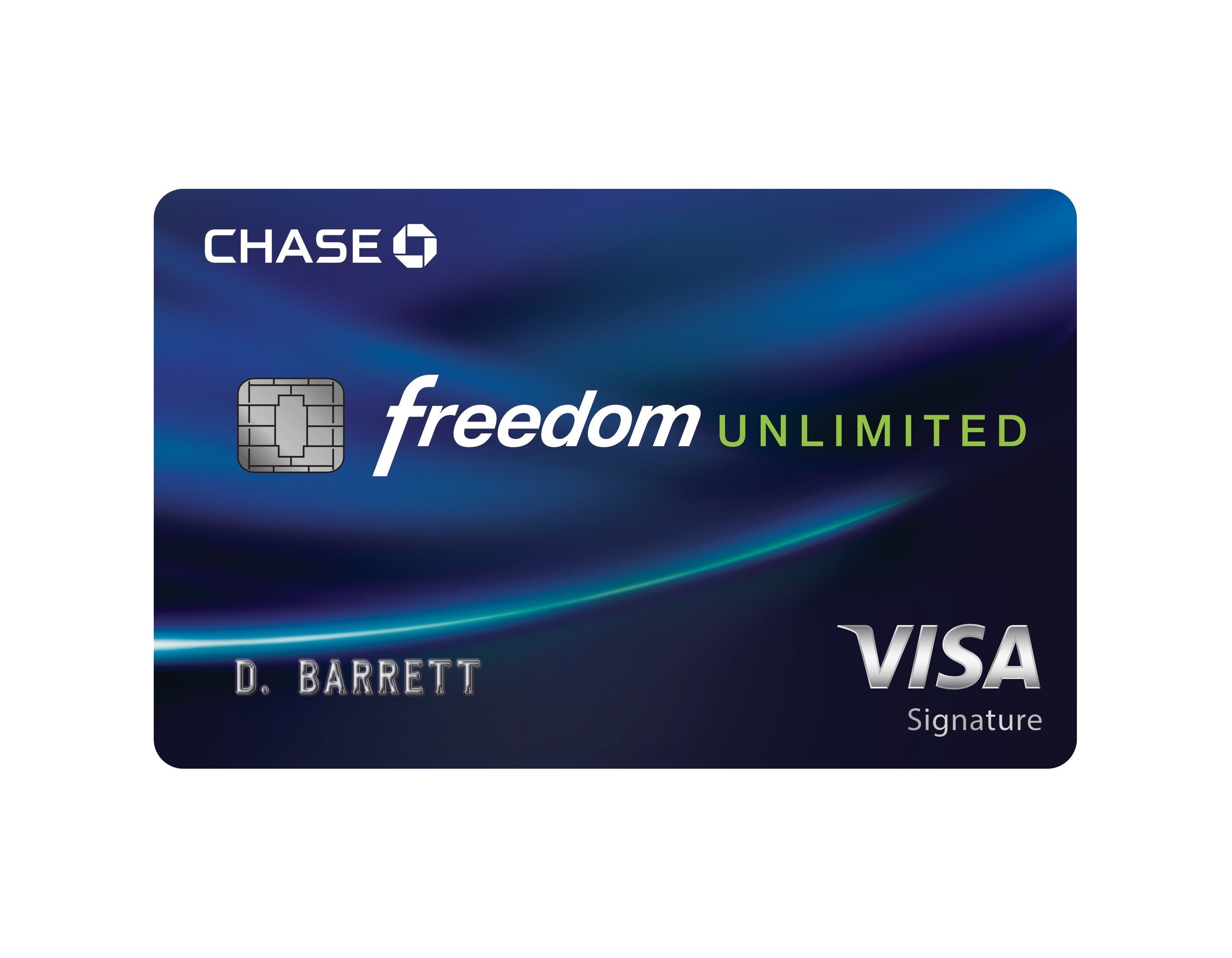
Chase Sapphire Preferred is the default $95 travel card. 5× points on Chase Travel, 3× dining, 2× general travel, 60K bonus (~$750 in travel). Transfer to Hyatt, United, and Southwest unlocks premium-cabin value. Easy to recommend if you fly 4+ times a year.
Pros
- ✓60K signup bonus
- ✓Hyatt/United transfer partners
Cons
- ✗No lounge access
Refer-a-friend bonus rotates to 90K — apply via someone's referral if you can.
American Express Gold Card is the dining-spender's pick. 4× at US restaurants and supermarkets (capped at $50K combined), $120 dining credit + $120 Uber credit + $120 Resy credit. $325 fee is offset only if you use the credits. Pure cashflow play — not great for international card use.
Pros
- ✓4× on restaurants and US supermarkets
- ✓$240+ in monthly credits
Cons
- ✗2.7% foreign transaction fee

Authorized users free and also get Priority Pass — meaningful if traveling as a couple.
Capital One Venture X is the easiest premium card to justify. $395 fee, but $300 Capital One Travel credit + 10K anniversary miles + Priority Pass = $700 in offsets. Add Capital One lounges (now in JFK, DEN, DFW, IAD, DCA). Sapphire Reserve's only real challenger.
Pros
- ✓$700+ in annual benefits offsets $395 fee
- ✓Capital One lounges in 5 US airports
Cons
- ✗Transfer partners weaker than Chase/Amex
Subscribe to our newsletter
Occasional updates and new releases — no spam.
Citi has been rumored to be discontinuing transfer partners — book transfers within 6 months of earning.
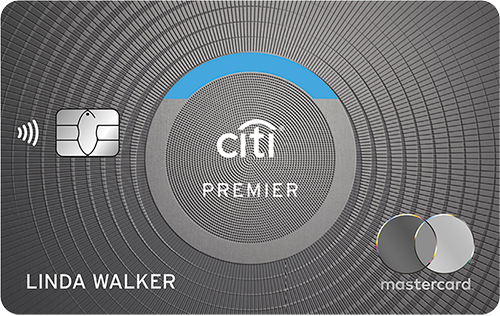
Citi Strata Premier (formerly Citi Premier) is underrated. $95 fee, 3× on air, hotels, restaurants, supermarkets, gas. Transfer to Singapore Airlines, Avianca LifeMiles, Turkish — partners Chase and Amex don't have. If you can plan 11 months out, the redemption ceiling is higher than Sapphire Preferred.
Pros
- ✓3× on 5 categories including gas
- ✓Singapore/Turkish transfer partners
Cons
- ✗Citi ThankYou app and customer service lag Chase

Re-evaluate at year 2 — fee jumped, so the math shifts when credits change.
Chase Sapphire Reserve at $795 (raised from $550 in late 2025) is now the most expensive but still the most-redeemed premium card. $300 travel credit, Priority Pass, 8× via Chase Travel, $120 Lyft. Only worth it if you redeem $7,000+ in travel/year and use lounges 4+ times.
Pros
- ✓$889+ in benefits if fully used
- ✓8× points on Chase Travel
Cons
- ✗$795 fee — highest mainstream premium card
Which one is right for you?
Occasional travelers flying four or more times a year
Chase Sapphire Preferred
The $95 fee pays for itself with the 60K bonus and Hyatt transfer partner, no lounge needed.
City dwellers who spend heavily on restaurants and groceries
American Express Gold Card
4× on US restaurants and supermarkets plus $240+ in dining and Uber credits offsets the $325 fee if you eat out regularly.
Couples and families who travel together regularly
Capital One Venture X
Free authorized users each get Priority Pass lounge access, making the $395 fee split across two travelers exceptionally easy to justify.
Flexible planners willing to book award flights months ahead
Citi Strata Premier
Singapore Airlines and Turkish Airlines transfers — unavailable on Chase or Amex — unlock the highest per-point redemption ceiling for those who plan 11 months out.
High-volume travelers spending over $7,000 on travel annually
Chase Sapphire Reserve
8× on Chase Travel plus $889 in usable credits and Priority Pass lounges make the $795 fee net-positive for heavy spenders who use lounges 4+ times a year.
When the annual fee earns itself back
Sapphire Reserve's $795 fee is offset by $300 travel credit + $120 Lyft credit + Priority Pass ($469 retail value). That's $889 in offsets if you actually use them — net positive of $94 before any spending.
Capital One Venture X ($395) is the easiest fee to recover: $300 Capital One Travel credit + 10K anniversary miles ($200 value) + Priority Pass = $700 in offsets. Net positive $305 before spending.
Transfer-partner value
Chase points → Hyatt is the highest-value redemption (~$0.030/point for premium hotels). Amex points → ANA gives $0.028/point on round-trip business class to Asia. Capital One miles → Turkish Airlines unlocks 12.5K/one-way to Europe on partners.
Citi Strata Premier's strongest partner is Singapore Airlines (Suites class redemptions at $0.040/point) — but availability is brutal. Citi is the dark-horse value pick for travelers willing to plan 11 months ahead.
Frequently asked questions
Should I get Sapphire Preferred or Reserve?▼
Is Amex Gold worth it if I don't eat out much?▼
Can I get the Venture X if I already have a Capital One card?▼
Prices change. Check the retailer for the current price.
Comments & questions
Discussion happens on nattzy, our community forum. Sign in with Google to post — it takes a second.