Best Balance Transfer Cards 2026: 5 Compared for 0% APR
A balance transfer can save hundreds in interest — but only if the intro period is long enough and the transfer fee doesn't eat your savings. We broke down the math so you don't have to.
Quick answer
The Wells Fargo Reflect and U.S. Bank Visa Platinum tie for the longest runway at 21 months of 0% intro APR — the best balance transfer cards if paying the debt off is the only goal. Citi Double Cash gives 18 months plus ongoing rewards afterwards. Factor the transfer fee, typically 3-5%, into the comparison.
Cards were evaluated on intro APR length, balance transfer fee, ongoing rewards rate, annual fee, and regular APR after the intro period ends. Math was checked against a $5,000 balance transferred at month 1.

Wells Fargo Reflect Card
Best for longest 0% period: The Wells Fargo Reflect Card offers one of the longest 0% intro APR periods available: 21 months from account opening on both purchases and qualifying balance transfers, with a 3-month extension if you make on-time minimum payments (extending to 24 months total). The transfer fee is 5% (min $5).
Top picks ↓| Product | Price | Link |
|---|---|---|
| $0〜0Reference price | ||
| $0〜0Reference price |
Related articles


The Wells Fargo Reflect Card offers one of the longest 0% intro APR periods available: 21 months from account opening on both purchases and qualifying balance transfers, with a 3-month extension if you make on-time minimum payments (extending to 24 months total). The transfer fee is 5% (min $5). There are no rewards on this card — it's a pure debt-payoff vehicle — but it includes cell phone protection (up to $600/claim with $25 deductible) when you pay your monthly bill with the card.
Pros
- ✓21-month 0% APR extendable to 24 months with on-time payments
- ✓Cell phone protection up to $600 included
- ✓No annual fee
Cons
- ✗5% balance transfer fee (minimum $5)
- ✗No ongoing rewards after intro period
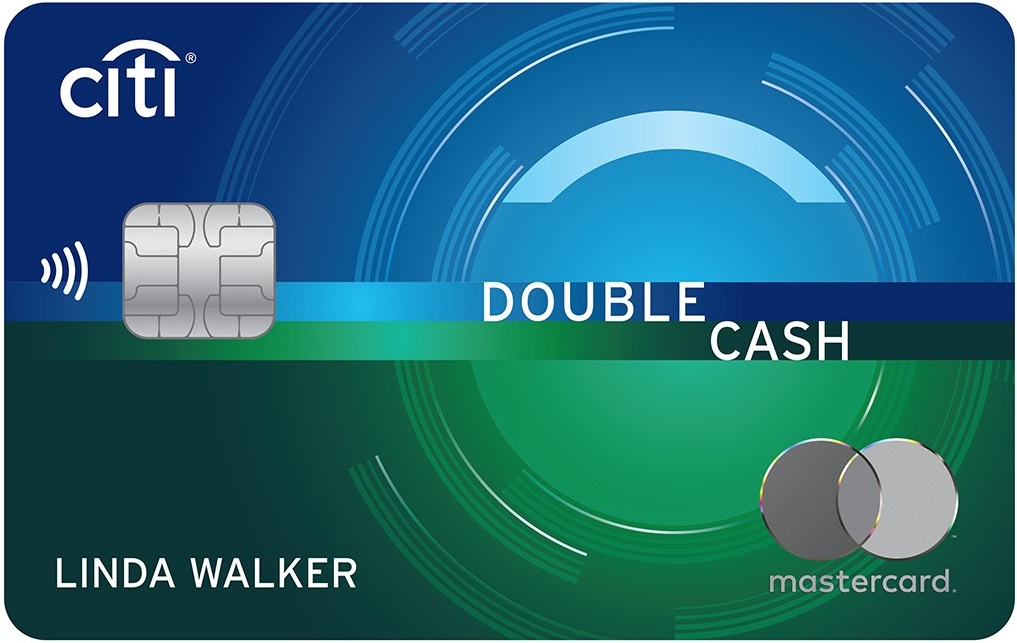
Citi Double Cash offers 18 months of 0% intro APR on balance transfers (transfers must be completed within 4 months of account opening), with a 3% fee for transfers in the first 4 months (then 5%). After the intro period, it becomes one of the best flat-rate cashback cards available: 2% back on all purchases (1% at purchase, 1% when you pay), with no rotating categories or activation required. For anyone who wants a single card to carry long-term, the Double Cash earns its keep well beyond the balance transfer window.
Pros
- ✓2% flat cashback makes it a top everyday card post-transfer
- ✓3% transfer fee in first 4 months (vs. standard 5%)
- ✓No annual fee
Cons
- ✗Only 18 months of 0% APR vs. 21-month competitors
- ✗Transfer must be completed within 4 months of opening
What to look for in a balance transfer card
Not every 0% APR offer is created equal. A card with a longer intro period but a higher transfer fee can cost more than a card with a shorter window and a lower fee — especially if you pay off the balance quickly.
How the five cards compare on a $5,000 transfer
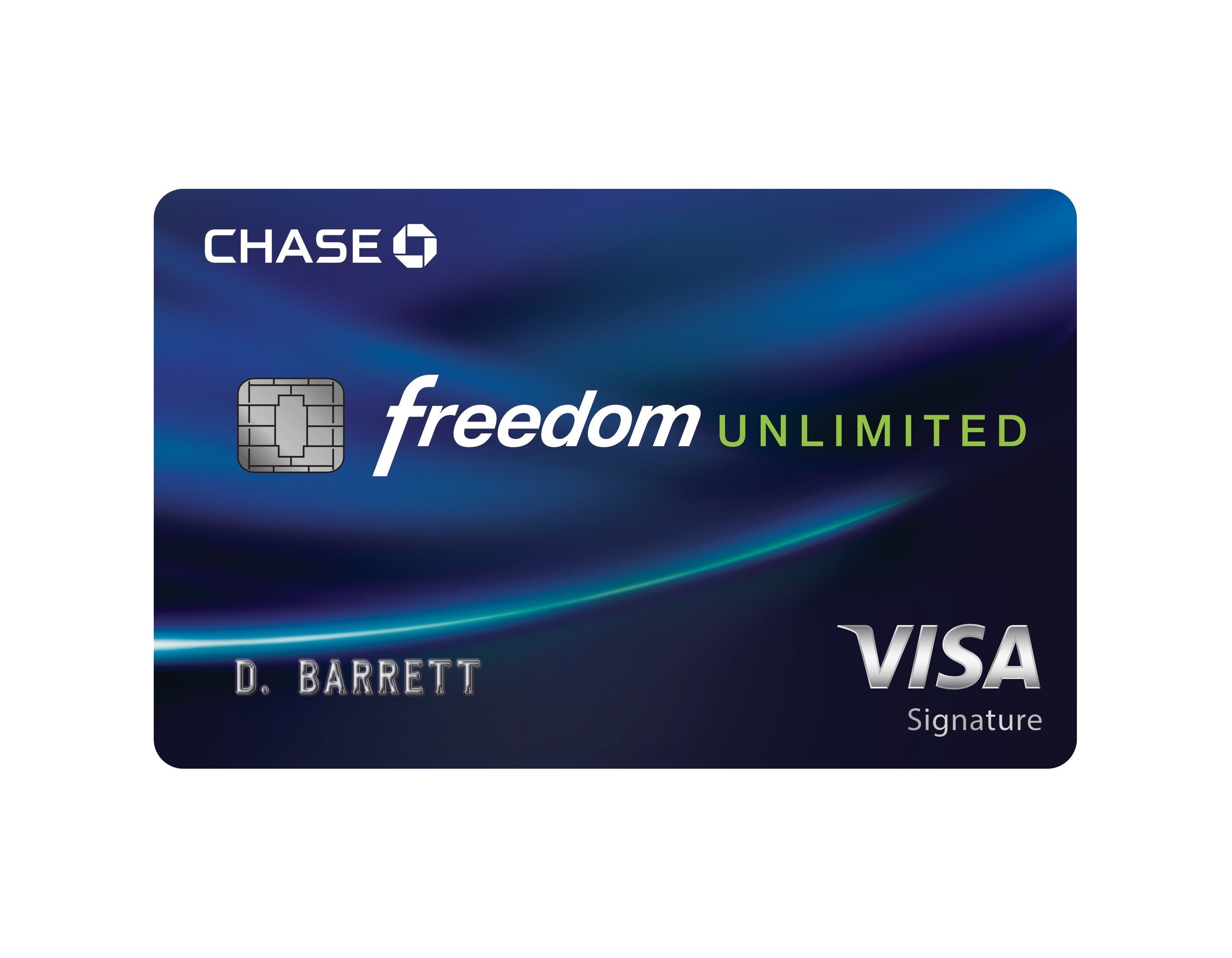
Assume a $5,000 balance transferred in month 1 at the standard 3% transfer fee ($150). To pay off in time: Wells Fargo Reflect and U.S. Bank Platinum give you 21 months ($238/mo), Citi Double Cash and Discover it give 18 months ($278/mo), Chase Freedom Unlimited gives 15 months ($333/mo).
If you can manage $278/month, both the 18- and 21-month cards work — but the 21-month cards give you a $40/month breathing room. If your budget is tighter, that margin matters more than any rewards rate.
Citi Double Cash wins for people who will keep the card long-term: 2% cashback on everything is among the best flat-rate rewards cards available, period. The balance transfer benefit is a bonus on top of a genuinely good everyday card.
Chase Freedom Unlimited is the weakest balance transfer play on this list — 15 months is fine for smaller balances but requires faster paydown. It earns well on dining (3%) and is worth considering if you want to consolidate your wallet post-transfer.
Bottom line
For maximum 0% runway with no annual fee, Wells Fargo Reflect and U.S. Bank Visa Platinum both deliver 21 months — the longest available. The difference is marginal: Wells Fargo has slightly better consumer protections and cell phone insurance; U.S. Bank has a simpler application process at branch locations.
If you want a card that earns after payoff, Citi Double Cash is the clear choice: 18 months of 0% plus 2% flat cashback is a combination that's hard to beat. Avoid treating balance transfer cards as an excuse to accumulate more debt — the 0% period resets nothing, and the regular APR kicks in hard if you carry a remaining balance.
Frequently asked questions
Does applying for a balance transfer card hurt my credit score?▼
Can I transfer a balance from the same bank that issued the card?▼
What happens if I miss a payment during the intro period?▼
How long does a balance transfer actually take to process?▼
Is a balance transfer worth it if the fee is 5%?▼
Prices change. Check the retailer for the current price.
Comments & questions
Discussion happens on nattzy, our community forum. Sign in with Google to post — it takes a second.
Related articles

Best Rewards Credit Cards 2026: 5 Compared for Points
Best Money Transfer App 2026: 5 Apps Compared
Best Coffee Grinders 2026: Five mills side-by-side

Best Electric Toothbrush 2026: 5 models compared honestly

Best Air Purifier 2026: 5 models compared honestly

ConoHa WING review (2026): setup, speed and pricing