Best Small Business Loans 2026: 5 Lenders Compared
Most small business owners need capital faster than a bank can approve it, which is why online lenders have taken over the market. The right lender depends heavily on your revenue, credit score, how quickly you need funds, and whether you want revolving access or a lump sum. These five lenders represent the clearest options across those dimensions — from SBA-backed rates as low as 5.5% to same-day lines of credit that fund within hours.
Quick answer
BlueVine leads for most owners with a revolving flex line up to $250,000 that refreshes as you repay, funding inside 24 hours, and no prepayment penalty, though it asks a 625 FICO and $40,000 monthly revenue. Fundbox drops the bar to a 600 FICO and roughly $8,300 monthly revenue for micro-businesses, Amex Kabbage prices per draw period rather than by interest rate, OnDeck offers same-day funding for thinner credit, and Lendio's marketplace reaches SBA 7(a) loans at 5.5 to 11.25 percent APR.
Each lender was evaluated on minimum credit and revenue requirements, APR range (converted from factor rates where necessary), funding speed from application to disbursement, revolving vs. term structure, prepayment penalties, personal guarantee requirements, and maximum loan or credit line amount.
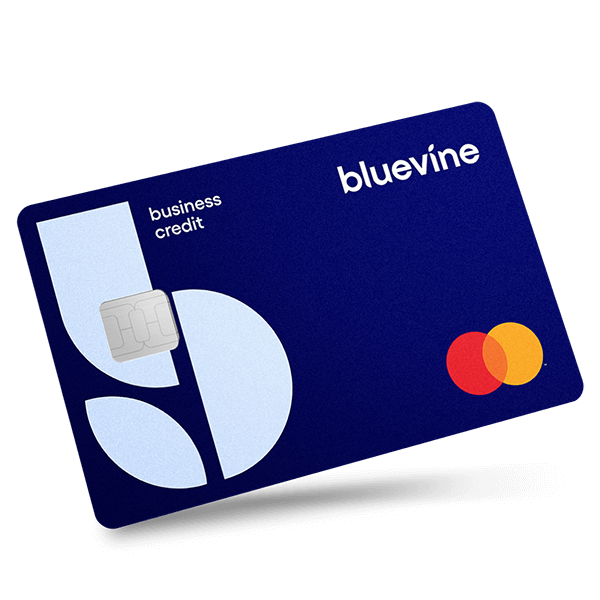
BlueVine Business Line of Credit
Best Overall: BlueVine's revolving flex line offers up to $250,000 with weekly repayments that automatically refresh your available credit — the mechanics work like a high-limit business credit card without the card. Approval requires a 625 FICO and $40,000 monthly revenue, and funding arrives within 24 hours of approval.
| Product | Price | Link |
|---|---|---|
| $6.2〜78Reference price |
Top picks
Related articles


BlueVine's revolving flex line offers up to $250,000 with weekly repayments that automatically refresh your available credit — the mechanics work like a high-limit business credit card without the card. Approval requires a 625 FICO and $40,000 monthly revenue, and funding arrives within 24 hours of approval. The 6.2% APR floor is competitive for the online segment, and BlueVine reports to business credit bureaus, building your D&B profile over time.
Pros
- ✓Revolving credit up to $250,000 — draw, repay, and redraw without reapplying
- ✓Funds within 24 hours; reports to business credit bureaus
- ✓No prepayment penalty — early repayment stops fee accrual immediately
Cons
- ✗$40,000 monthly revenue minimum excludes very small or seasonal businesses
- ✗6.2%–78% APR range is wide — borrowers with average profiles typically land in the 15–35% range
What to look for in a small business loan
The advertised rate rarely tells the full story. Factor rate lenders like OnDeck express cost as a multiplier (e.g., 1.25x of borrowed amount) rather than APR, which makes true cost comparison harder. Always convert to APR before comparing. A 1.25 factor rate on a 12-month term loan is roughly 50% APR — dramatically different from the 29.9% floor that OnDeck lists in its headline range.
How these lenders perform in practice
BlueVine's flex line structure is genuinely different from competitors: you draw as needed, repay weekly, and the available credit refreshes automatically as you pay down — similar to a business credit card but at higher limits ($250,000 max). The 6.2% floor APR is achievable for businesses with strong credit and revenue, though most borrowers land in the 15–35% range. BlueVine also reports to business credit bureaus, which helps build Dun & Bradstreet history over time.
Fundbox is the standout for very small businesses and sole proprietors: $100,000 annual revenue minimum is the lowest meaningful threshold in this group, and approval decisions come within minutes based on accounting software or bank account connection rather than extensive documentation. Draws of $1,000–$150,000 with 12- or 24-week repayment terms keep payments predictable. The per-draw fee structure (4.66%–8.99%) is transparent but can compound if you're drawing repeatedly — model your total cost for a full year of usage before committing.
Lendio is not a lender — it's a marketplace that connects businesses with over 75 lenders including SBA-approved banks. Submitting one application generates offers across multiple lenders, including SBA 7(a) loans at 5.5%–11.25% APR. The SBA process takes longer (2–4 weeks minimum) and requires more documentation, but the rate advantage over online lenders is 10–30 percentage points on a 5-year loan — a difference that can amount to tens of thousands of dollars. For businesses that qualify and can wait, Lendio's marketplace is the obvious starting point.
Bottom line
For most established small businesses with decent credit and no immediate cash crisis, start with Lendio's SBA marketplace — one application, multiple offers, and potential access to the lowest rates in the market. If you need funds in 24–72 hours, BlueVine or Amex Kabbage offer revolving credit at competitive rates with minimal paperwork. Fundbox is the clearest choice for very small or newer businesses that can't meet BlueVine's $40,000 monthly revenue floor.
OnDeck's higher APR ceiling (97.3%) makes it a last-resort option rather than a first call — the speed is real, but the cost is high. Use OnDeck only if you've been declined elsewhere and the revenue opportunity clearly outweighs the financing cost. Factor rate loans should always be converted to APR before signing so you understand the annualized cost of capital.
Frequently asked questions
What credit score do I need for a small business loan?▼
How fast can I get a small business loan?▼
Is a business line of credit better than a term loan?▼
Do small business loans require collateral?▼
What's the difference between APR and factor rate for business loans?▼
Prices change. Check the retailer for the current price.
Comments & questions
Discussion happens on nattzy, our community forum. Sign in with Google to post — it takes a second.
Related articles
Best Debt Consolidation Loans 2026: 5 Top Lenders Compared
Best Cashback Credit Card 2026: 5 compared
Best Air Purifier 2026: 5 models compared honestly

ConoHa WING review (2026): setup, speed and pricing
Best JP rental server 2026: 5 hosts ranked

Best LED Face Masks 2026: 3 Light Therapy Devices Compared