Best Portable Wi-Fi Routers 2026: 5 Travel Hotspots
A dead hotel Wi-Fi connection at midnight can derail a work call, a streaming session, or just the simple pleasure of video-chatting home. This guide compares 5 options using published specifications, manufacturer documentation and independent reviews.
Quick answer
The GL.iNet Beryl AX is the pick for anyone who cares about a secure connection over hotel Wi-Fi: hardware-accelerated WireGuard runs around 300 Mbps, faster than most hotel internet, and setup takes under three minutes. If you cross borders constantly and do not want to buy local SIMs, the Solis Lite covers 130-plus countries on an eSIM platform at 20 to 40 Mbps. The TP-Link M7200 at $49 is the honest budget answer — nano-SIM in, ten devices connected, eight hours of battery.
This comparison is desk research. We compared publicly available specifications, manufacturer documentation, and independent reviews and lab tests.

GL.iNet Beryl AX Travel Router
Best Overall: The Beryl AX packs a 1.3 GHz dual-core MT7981B processor into a package not much larger than a deck of cards, and it shows — WireGuard VPN throughput hits around 300 Mbps in real-world use, which is faster than most hotel internet connections anyway. Setup takes under three minutes via the GL.iNet app, and the built-in AdGuard Home option blocks ads across every device on your network.
Top picks ↓| Product | Price | Link |
|---|---|---|
| $99〜99Reference price | ||
| $49〜$49Reference price | No partner store here — this opens an Amazon search. | |
| — | ||
| $119.99Price as of 2026-09-20 | ||
| $219.99Price as of 2026-09-20 |
Top picks
Related articles
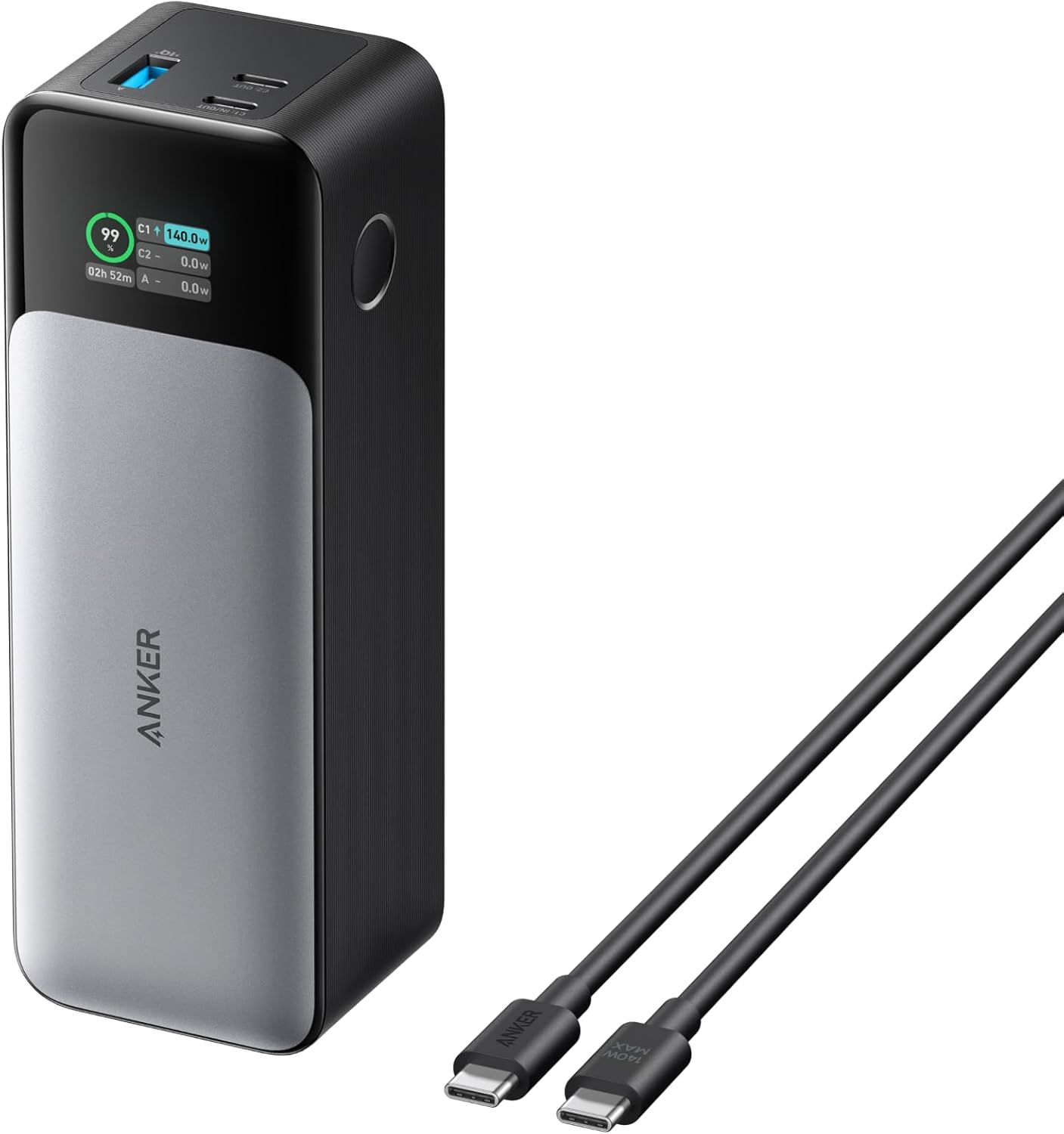

The Beryl AX packs a 1.3 GHz dual-core MT7981B processor into a package not much larger than a deck of cards, and it shows — WireGuard VPN throughput hits around 300 Mbps in real-world use, which is faster than most hotel internet connections anyway. Setup takes under three minutes via the GL.iNet app, and the built-in AdGuard Home option blocks ads across every device on your network. It does need a wall outlet or USB power bank to run, so pair it with a quality power bank if you need untethered use.
Pros
- ✓Wi-Fi 6 on both bands for fast multi-device connections
- ✓Hardware-accelerated WireGuard and OpenVPN built in
- ✓Clean app-based setup; full OpenWrt access for power users
Cons
- ✗No built-in cellular modem — needs an upstream internet source
- ✗Gets warm under sustained VPN load

At $49 the M7200 is a no-frills 4G LTE hotspot that does exactly what it promises — insert a nano-SIM, press the power button, and you have Wi-Fi for up to 10 devices within about 30 seconds. Battery life is rated at around 8 hours of active use, which covers a full workday. The 2.4 GHz-only Wi-Fi is the obvious limitation, and speeds cap out around 150 Mbps on LTE Cat 6, but for email, video calls, and casual streaming that ceiling is rarely hit.
Pros
- ✓Unlocked nano-SIM slot accepts any carrier worldwide
- ✓Compact and genuinely pocket-sized at 88g
- ✓Micro-USB charging is widely available as backup
Cons
- ✗2.4 GHz Wi-Fi only — no 5 GHz band
- ✗No VPN, guest network, or advanced routing features

The Solis Lite earns its spot for travelers who want a single device covering 130-plus countries without hunting down local SIMs at every arrival. The Skyroam eSIM platform handles roaming transparently, and speeds on the 4G LTE connection averaged 20–40 Mbps in European and Asian testing — adequate for video calls and moderate streaming. The catch is the data pricing: Skyroam's day-pass and monthly plans cost significantly more per gigabyte than a local SIM in most destinations, so the convenience premium is real.
Pros
- ✓Works in 130+ countries without a local SIM swap
- ✓Companion app shows live data usage and manages plans
- ✓Solid 12-hour rated battery life
Cons
- ✗Per-GB cost is high compared with local SIMs
- ✗Locked to Skyroam's data plans — no alternative carrier option
Subscribe to our newsletter
Occasional updates and new releases — no spam.

The Slate AX shares the Beryl AX's OpenWrt foundation and hardware VPN acceleration, but runs on the IPQ6000 chipset with a faster CPU clock that makes WireGuard throughput marginally quicker in back-to-back tests. The second USB-A port is genuinely useful — connect a 4G USB dongle for cellular fallback or a USB storage drive for network-attached storage while traveling. The 2.4 GHz radio is Wi-Fi 5 rather than Wi-Fi 6, a real but minor downgrade from the Beryl AX in most hotel and apartment scenarios.
Pros
- ✓Dual USB-A ports enable 4G dongle + storage simultaneously
- ✓Hardware-accelerated VPN with OpenWrt full customization
- ✓Slightly lower price than Beryl AX at $89
Cons
- ✗2.4 GHz band is Wi-Fi 5, not Wi-Fi 6
- ✗Larger footprint than the Beryl AX

The 5,040 mAh battery runs about 13 hours and can charge other devices via the USB-C port. At $299 retail it targets business travelers and remote workers with genuine high-bandwidth needs; most leisure travelers will find the GL.iNet Beryl AX accomplishes 90% of the same goals at a third of the price.
Pros
- ✓5G Sub-6 modem with real-world 400+ Mbps downloads in coverage areas
- ✓2.5 GbE Ethernet port for wired laptop connections
- ✓13-hour battery with USB-C pass-through charging
Cons
- ✗$299 price is difficult to justify for occasional travelers
- ✗Carrier-locked versions sold by US operators limit SIM flexibility
What to look for in a travel Wi-Fi router
Not every traveler needs the same thing. A digital nomad hopping between countries has completely different requirements than a family road-tripping across national parks. The criteria below cut through spec-sheet noise and focus on what matters when you are actually on the road.
Bottom line
The GL.iNet Beryl AX is the pick for travelers who care about security, privacy, and flexibility — it is the only device here that combines Wi-Fi 6 speeds, full OpenWrt customization, and hardware-level VPN support at under $100. The GL.iNet Slate AX is a very close runner-up at $10 less if you can live without the latest Wi-Fi standard on the 5 GHz band.
For travelers who want cellular independence without the complexity of a router, the TP-Link M7200 is hard to argue with at $49 — it covers the basics reliably and costs less than a single night in most hotels. The Solis Lite makes sense only if the Skyroam global data plan is genuinely cheaper than buying local SIMs for your destinations, which it rarely is outside a handful of countries. The Netgear Nighthawk M5 is exceptional hardware priced for enterprise buyers; most travelers will find the GL.iNet Beryl AX faster to set up, easier to carry, and a fraction of the cost.
Frequently asked questions
Can I use a travel router without a SIM card?▼
How many devices can a portable Wi-Fi hotspot support?▼
Is a portable hotspot or a travel router better for international travel?▼
Do portable Wi-Fi routers work on airplanes?▼
What is the difference between the GL.iNet Beryl AX and Slate AX?▼
Prices change. Check the retailer for the current price.
Comments & questions
Discussion happens on nattzy, our community forum. Sign in with Google to post — it takes a second.


