5 Best Health Savings Accounts of 2026 — Top HSAs Compared
A health savings account can shave thousands off your annual tax bill — but only if you pick one with low fees and solid investment options. The difference between a great HSA and a mediocre one compounds year after year, especially if you're using the account as a stealth retirement vehicle. This guide compares 5 options using published specifications, manufacturer documentation and independent reviews.
Quick answer
For most savers, Fidelity HSA is the pick — no monthly fee, no investment threshold and no transfer fee, alongside thousands of mutual funds and ETFs including zero-expense-ratio index funds. Optum Bank is the default custodian for millions of employer plans, so HR contributions map to it directly, Lively matches Fidelity's zero fees with a cleaner fintech interface, and Further has 20+ years of specialist HSA support depth.
Accounts were evaluated on monthly fees and waiver thresholds, investment menu quality (fund count, expense ratios), cash APY, FDIC/SIPC coverage, minimum-to-invest requirements, mobile app functionality, and ease of trustee-to-trustee transfer.

Fidelity HSA
Best Overall: Fidelity charges absolutely nothing — no monthly fee, no investment threshold, no transfer fee — while offering access to thousands of mutual funds and ETFs including Fidelity's own zero-expense-ratio index funds. The FDIC-insured cash core earns a competitive yield tied to money market rates, and the mobile app lets you invest, pay bills, and view claims in one place.
Top picks ↓| Product | Price | Link |
|---|---|---|
| $0〜0Reference price | ||
| $2.75〜2.75Reference price | ||
| $0〜0Reference price |
Related articles



Fidelity charges absolutely nothing — no monthly fee, no investment threshold, no transfer fee — while offering access to thousands of mutual funds and ETFs including Fidelity's own zero-expense-ratio index funds. The FDIC-insured cash core earns a competitive yield tied to money market rates, and the mobile app lets you invest, pay bills, and view claims in one place. For most individual HSA shoppers, Fidelity is the obvious default.
Pros
- ✓$0 monthly fee with no minimum balance requirement
- ✓Access to zero-expense-ratio index funds (e.g., FZROX at 0.00%)
- ✓Competitive cash yield on uninvested balances
Cons
- ✗Not available as employer-sponsored plan for most small businesses
- ✗Investment research tools less specialized for HSA planning than dedicated HSA platforms
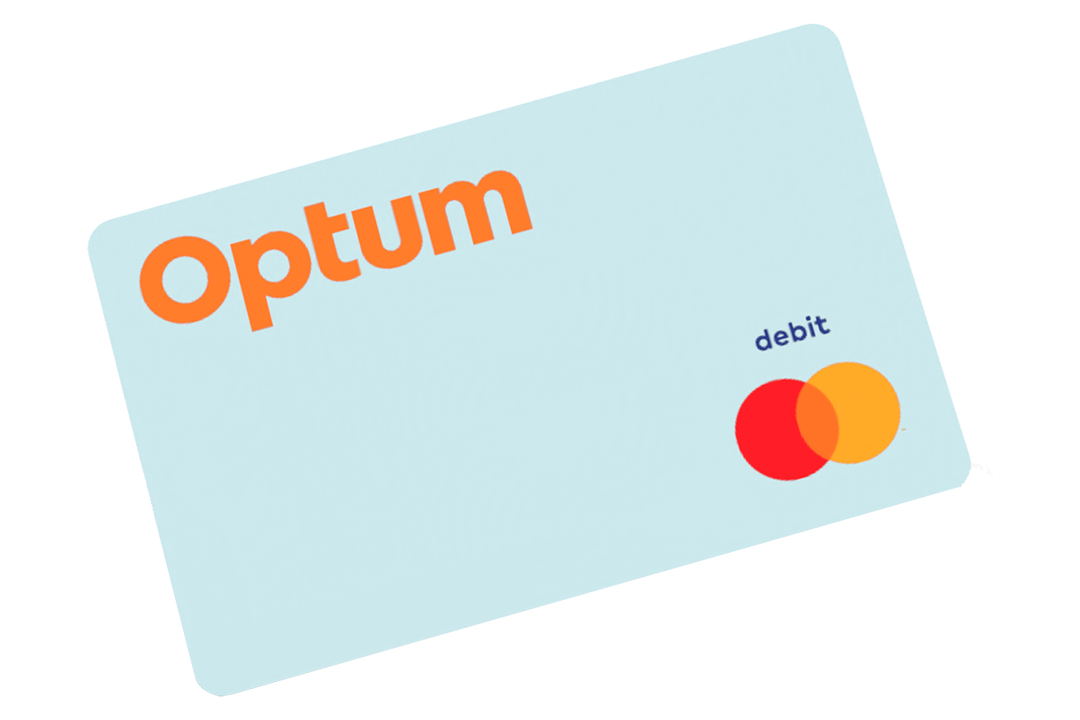
Optum Bank is one of the largest HSA custodians in the US and the default provider for millions of employer-sponsored plans, which means your HR contribution may land here automatically. The $2.75/month fee ($33/year) is waived when your balance stays above $3,000, and you get access to a curated mutual fund menu once you clear that threshold. The mobile app integrates with UnitedHealth claim data if you are on a UHC plan, which cuts down on manual receipt entry.
Pros
- ✓Seamless integration with UnitedHealthcare insurance claims
- ✓Fee waived at $3,000 balance — realistic for most long-term savers
- ✓Strong employer-plan distribution makes rollovers unnecessary for many users
Cons
- ✗$2.75/month fee if balance stays below $3,000
- ✗Investment menu is narrower and higher-cost than Fidelity's lineup
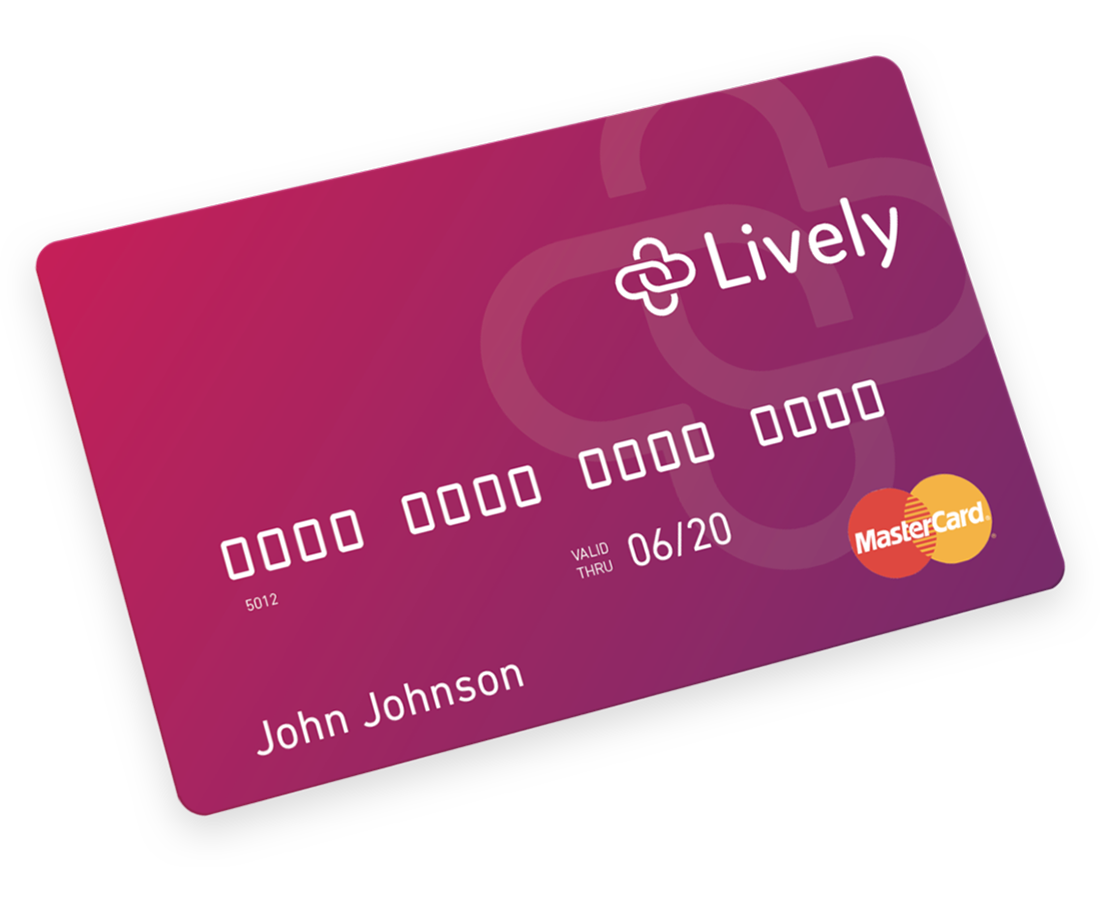
Lively launched as a direct Fidelity rival — zero monthly fees, no minimum balance to invest, and a clean fintech-style interface that many users find cleaner than Fidelity's more complex dashboard. Investments are held through TD Ameritrade (now Schwab), giving access to a broad ETF marketplace. Lively also offers a dedicated HSA-linked debit card with digital wallet support and a receipt-capture feature that makes the IRS-documentation game easier.
Pros
- ✓$0 monthly fee with no minimum to start investing
- ✓Receipt capture and expense tracking built into the app
- ✓HSA-linked debit card with Apple Pay and Google Pay support
Cons
- ✗Smaller brand may concern users who prefer a legacy financial institution
- ✗Cash interest rate slightly lower than Fidelity's money market core
Subscribe to our newsletter
Occasional updates and new releases — no spam.
How to choose the right HSA
Not all HSAs are created equal. Custodian fees, minimum balances before investing, and fund choices vary wildly — and a $3/month fee sounds trivial until you realize it devours $36 a year in interest before you've grown a cent.
Bottom line
Fidelity and Lively stand out for fee-conscious savers who want real investment access without sacrificing cash yield. If your employer uses Optum or HealthEquity, the locked-in custodian is fine for contribution purposes — just consider a trustee-to-trustee transfer to a free provider once your balance grows. Further HSA is a reasonable middle ground if you want dedicated HSA-focused customer support and can tolerate a modest monthly fee.
Whichever account you choose, the worst move is keeping your HSA parked in the default cash position. Even modest monthly contributions invested in a low-cost S&P 500 index fund grow significantly over a 20-year horizon — and every dollar of qualified medical expenses you pay from the HSA is effectively a tax-free dollar spent.
Frequently asked questions
Can I have an HSA if my employer already contributes to one?▼
What happens to my HSA if I switch to a non-HDHP health plan?▼
Is it worth investing my HSA rather than spending it on current medical bills?▼
What counts as a qualified medical expense?▼
Can I use my HSA to pay Medicare premiums?▼
Prices change. Check the retailer for the current price.
Comments & questions
Discussion happens on nattzy, our community forum. Sign in with Google to post — it takes a second.
Related articles
Best CD Accounts 2026: Marcus, Ally & Synchrony Compared

Best Roth IRA Accounts 2026: 5 Providers Compared
Best Air Purifier 2026: 5 models compared honestly

ConoHa WING review (2026): setup, speed and pricing
Best JP rental server 2026: 5 hosts ranked

Best LED Face Masks 2026: 3 Light Therapy Devices Compared