Best Meal Kit Delivery Services 2026: 5 Compared
Five meal kit services ranging from $5 to $13 per serving, covering beginner-friendly basics to chef-driven organic menus. Taste consistency between batches matters more than health claims on the label.
Quick answer
For most households, HelloFresh is the pick — the widest weekly menu, reliable portions and skip mechanics that do not require a support call, covering the most use cases without a significant failure. Blue Apron's technique cards explain why each step works, Green Chef is the only certified-organic service built around dietary frameworks from the start, EveryPlate saves a sustained $3-5 per serving, and Sunbasket has the cleanest labels.
Services are compared on published per-serving cost at a typical two-person three-recipe frequency, stated portion sizes, ingredient sourcing claims, skip and cancellation mechanics, and the packaging-waste and quality complaints that recur in subscriber reviews.
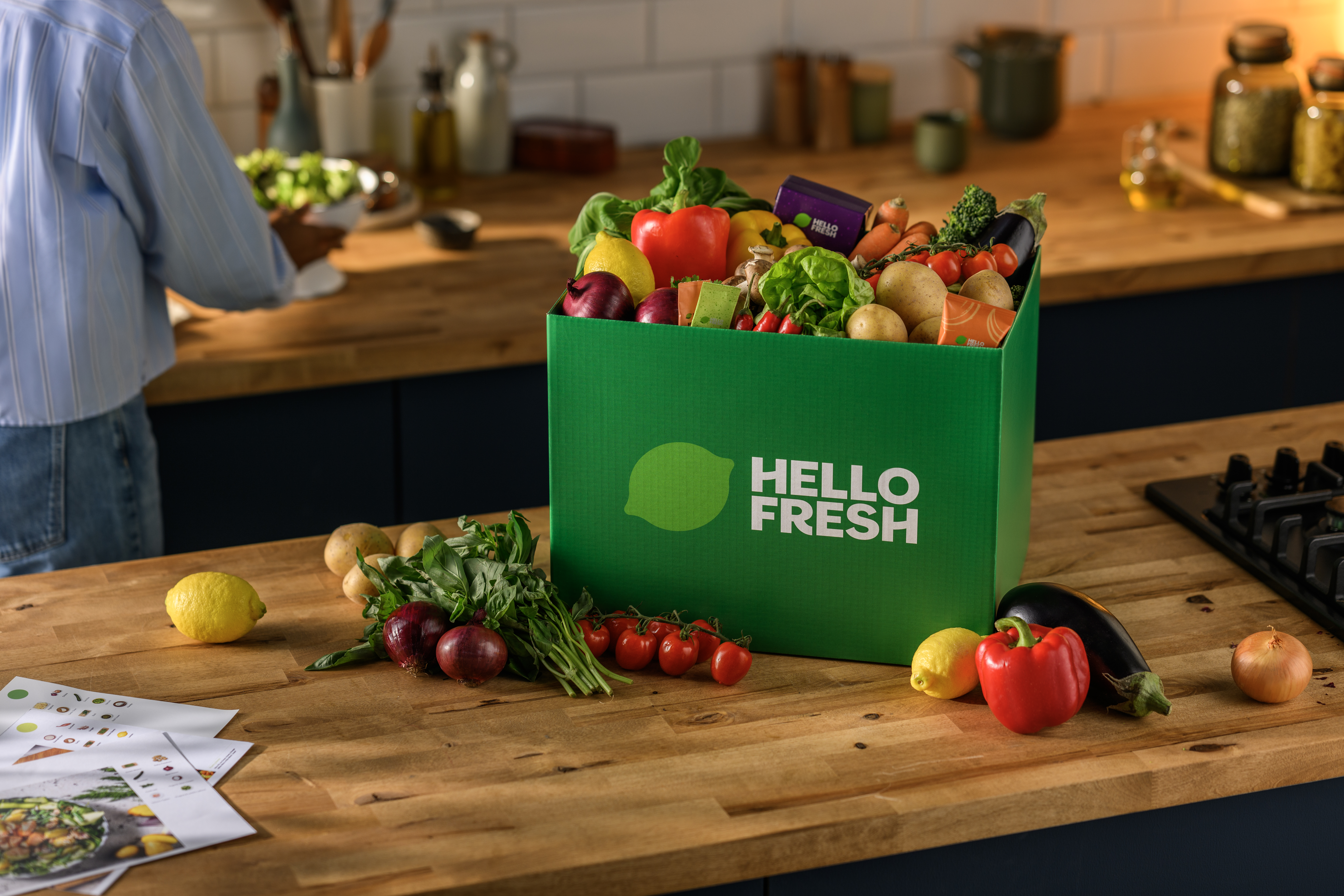
HelloFresh Meal Kit
Best Overall: HelloFresh earns the overall pick by covering the most use cases without significant failures — widest weekly menu, reliable portions, and skip mechanics that don't require a support call. The honest limitation is cost: typical two-person pricing is $11–$13 per serving including shipping, not the advertised floor.
Top picks ↓| Product | Price | Link |
|---|---|---|
| $70.93Reference price | ||
| $71.92Reference price | ||
| $12.99Reference price | ||
| $5.99Reference price | ||
| $11.49Reference price |
| Product | Price range | Shipping | Recipes/week | Skip flexibility | Pause limit | Organic |
|---|---|---|---|---|---|---|
| HelloFresh Meal Kit | $7.49–$10.99/serving | $8.99/box | 30–40 | 6 weeks advance, self-serve | 8 weeks | No (standard sourcing) |
| Blue Apron Meal Kit | $7.99–$11.99/serving | $8.99/box | 12–16 | 5-day cutoff, self-serve | 8 weeks | No (premium conventional) |
| Green Chef Meal Kit | $11.99–$13.99/serving | $9.99/box | 6–8 per dietary lane | 6-day cutoff, self-serve | 8 weeks | Yes (certified organic) |
| EveryPlate Meal Kit | $4.99–$7.49/serving | $8.99/box | 15–20 | 5-day cutoff, self-serve | 8 weeks | No (standard) |
| Sunbasket Meal Kit | $10.99–$12.99/serving | $9.99/box | 16–20 | 5-day cutoff, self-serve | 16 weeks | Yes (certified organic) |
Top picks
Related articles

Best overall for beginners — widest weekly recipe selection (30–40 options), reliable portions, and skip mechanics that work without a support call. Per-serving cost $9.99–$12.99 at typical plan frequencies. Best for households new to meal kits who want variety and account flexibility. Limitation: not cheaper than efficient grocery shopping; value is time and convenience, not cost savings.
HelloFresh earns the overall pick by covering the most use cases without significant failures — widest weekly menu, reliable portions, and skip mechanics that don't require a support call. The honest limitation is cost: typical two-person pricing is $11–$13 per serving including shipping, not the advertised floor.
Pros
- ✓Widest weekly menu (30–40 recipes) with explicit difficulty and time tags
- ✓Skip up to 6 weeks ahead via self-serve portal — no support call required
- ✓Consistent portion accuracy with difficulty levels from 20-min easy to chef's choice
Cons
- ✗Actual per-serving cost at typical plan frequency is $11–$13, not the advertised $7.49 floor
Score breakdown
| Price range | $7.49–$10.99/serving |
| Shipping | $8.99/box |
| Recipes/week | 30–40 |
| Skip flexibility | 6 weeks advance, self-serve |
| Pause limit | 8 weeks |
| Organic | No (standard sourcing) |
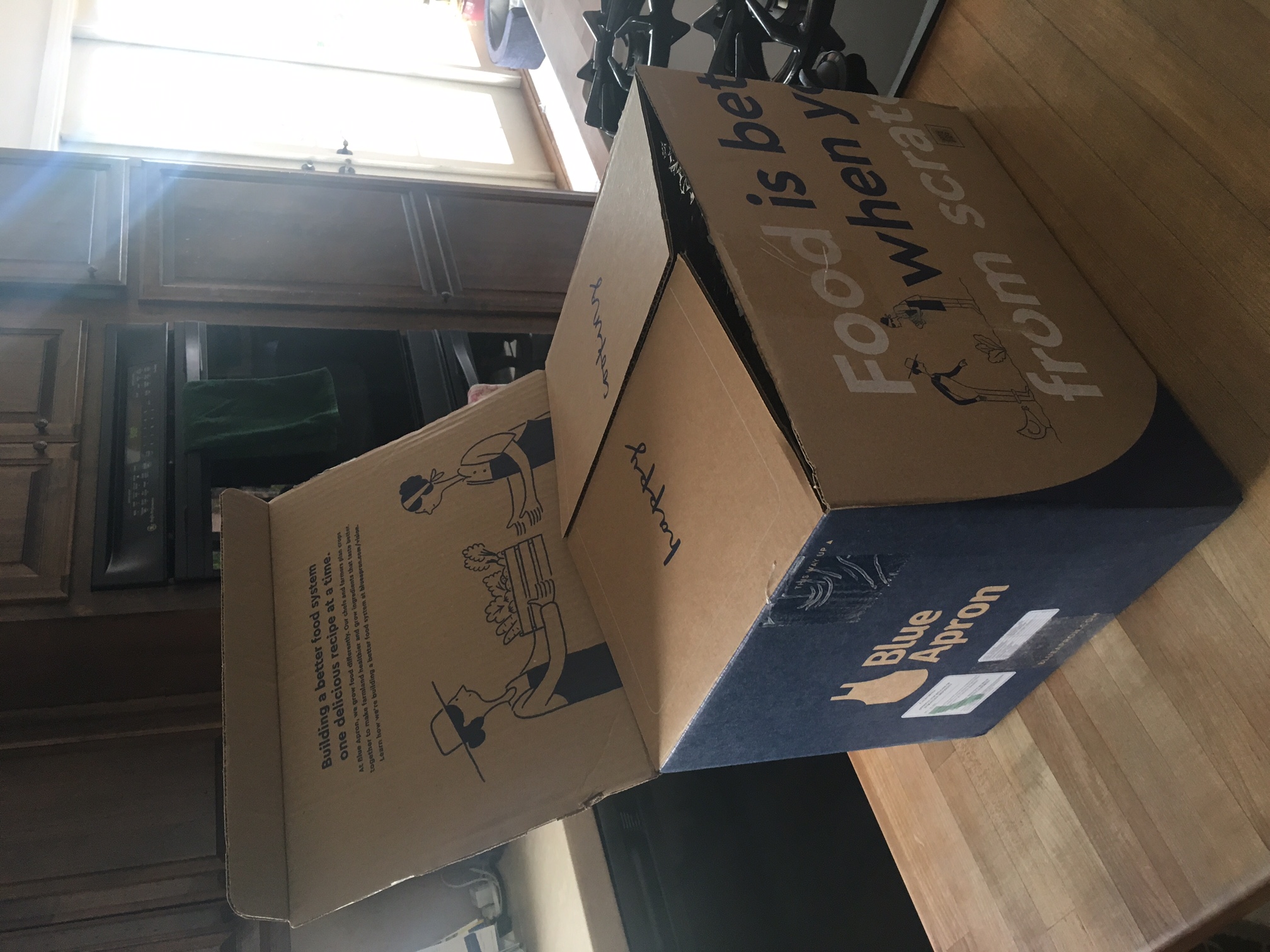
Best for cooking skill development — technique-forward recipes with detailed instruction cards that explain why, not just what. Consistent ingredient quality with smaller weekly menus (12–16 recipes). Best for cooks who want meal delivery to teach them something. Limitation: narrower weekly selection, less suited to households cooking on autopilot.
Blue Apron's technique-forward instruction cards explain why each step works, not just what to do — the strongest cooking education in the comparison. The weekly menu is narrower (12–16 recipes) but ingredient quality is consistently premium. Best for cooks who want the service to teach them something.
Pros
- ✓Technique-forward instruction cards with method explanations, not just step lists
- ✓Consistent premium ingredient quality across protein and produce
- ✓Meal selection changeable up to the cutoff deadline, not locked at subscription
Cons
- ✗Smaller weekly menu (12–16 recipes); more complex recipes suit engaged cooks, not autopilot nights
Score breakdown
| Price range | $7.99–$11.99/serving |
| Shipping | $8.99/box |
| Recipes/week | 12–16 |
| Skip flexibility | 5-day cutoff, self-serve |
| Pause limit | 8 weeks |
| Organic | No (premium conventional) |
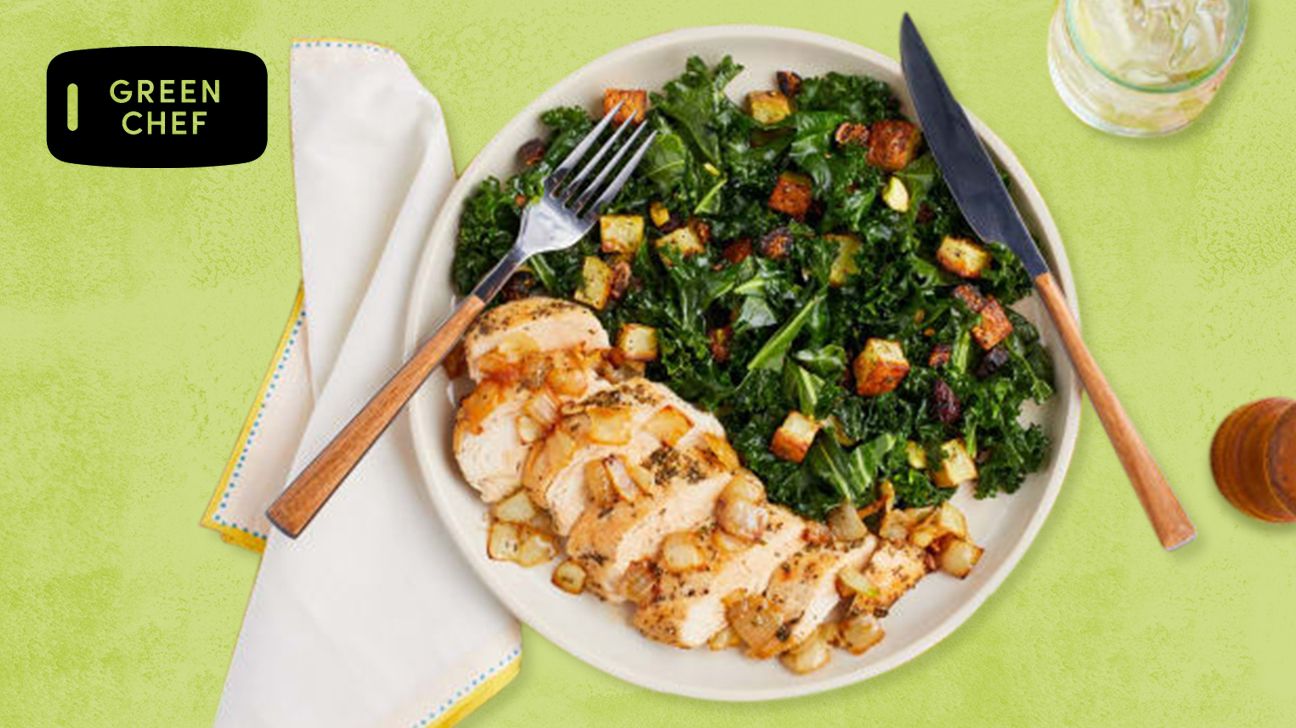
Best organic/specialty diet option — certified organic ingredients, recipes designed around keto, Mediterranean, and plant-based frameworks from the start. Per-serving price is higher than HelloFresh but sourcing standards are verifiable. Best for households on structured dietary plans. Limitation: narrow weekly selection per dietary lane; premium price may not be worth it for households without specific dietary requirements.
Green Chef is the only service in this comparison with certified organic sourcing designed around specific dietary frameworks from the start — not retrofitted. Keto, Mediterranean, and plant-based lanes have genuine recipe integrity. The per-serving premium reflects real organic sourcing costs, not marketing positioning.
Pros
- ✓Certified organic ingredients with keto, Mediterranean, and plant-based menus designed from the start
- ✓Sourcing standards are verifiable — not marketing organic claims on conventional supply chains
- ✓Best fit for households already following a structured dietary framework
Cons
- ✗Narrow weekly selection per dietary lane (6–8 recipes); highest per-serving cost of the five services
Score breakdown
| Price range | $11.99–$13.99/serving |
| Shipping | $9.99/box |
| Recipes/week | 6–8 per dietary lane |
| Skip flexibility | 6-day cutoff, self-serve |
| Pause limit | 8 weeks |
| Organic | Yes (certified organic) |
Subscribe to our newsletter
Occasional updates and new releases — no spam.
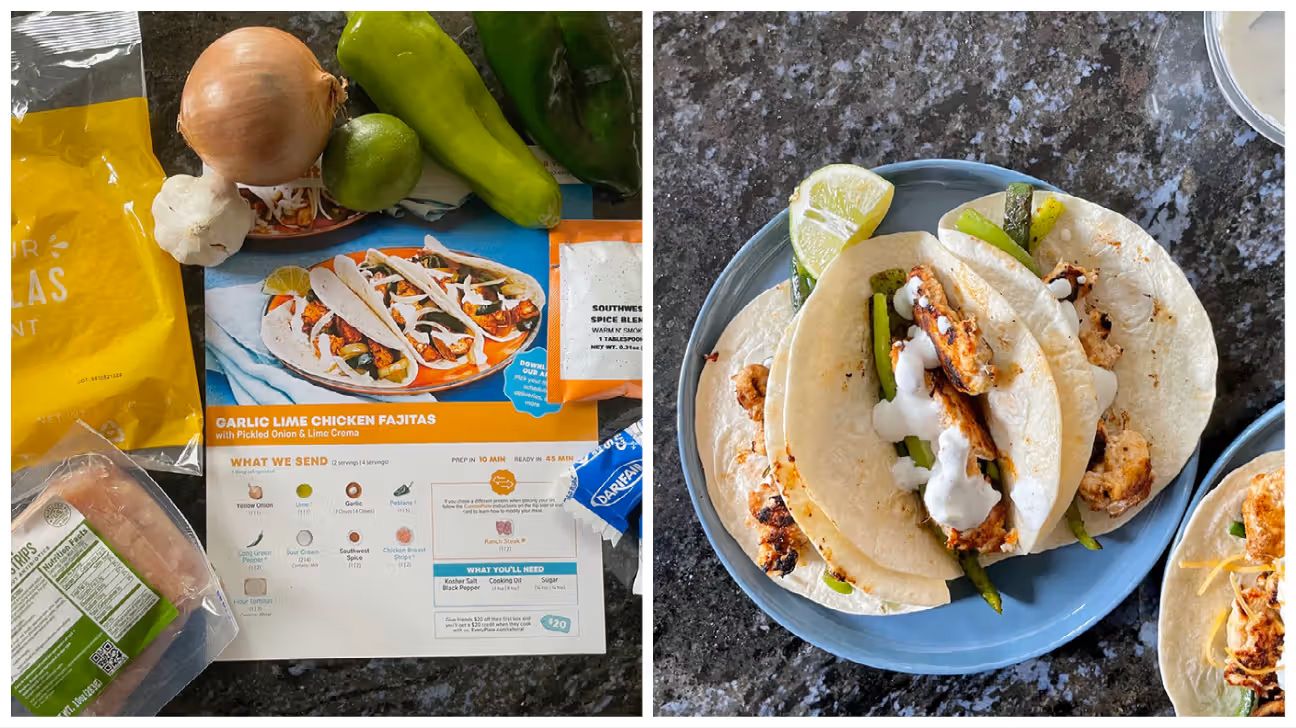
Best budget meal kit — genuine per-serving savings of $3–$5 versus HelloFresh at comparable recipe frequency. Reliable recipes, clear instructions, consistent delivery. Best for cost-conscious households with solid cooking skills who don't need extensive recipe variety. Limitation: narrower menu, slightly smaller portions than competitors, less skill development or novelty in recipe design.
EveryPlate delivers genuine per-serving savings of $3–$5 versus HelloFresh — not introductory-offer math but real sustained pricing. Recipes are reliable and instructions are clear. The tradeoff is narrower variety and portions that run slightly smaller than competitors.
Pros
- ✓Genuine $3–$5 per-serving savings versus HelloFresh at comparable recipe frequency
- ✓Simple, reliable recipes with clear instructions — works without cooking confidence
- ✓Same skip and pause mechanics as HelloFresh — no management friction
Cons
- ✗Narrowest menu (15–20 recipes/week); portions run slightly smaller; minimal skill development in recipe design
Score breakdown
| Price range | $4.99–$7.49/serving |
| Shipping | $8.99/box |
| Recipes/week | 15–20 |
| Skip flexibility | 5-day cutoff, self-serve |
| Pause limit | 8 weeks |
| Organic | No (standard) |
Best for clean/organic ingredients — no artificial additives, preservatives, or GMOs, certified organic sourcing, and the best packaging return program of the five services. 16-week pause window for seasonal households. Best for households that prioritize ingredient standards and already spend on organic groceries. Limitation: most expensive of the five; premium over HelloFresh requires ingredient sourcing to be a genuine priority, not just a preference.
Sunbasket's clean-label commitment is genuine — no artificial additives, preservatives, or GMOs, with certified organic sourcing and the best packaging return program in the comparison. The 16-week pause window is uniquely long. The premium is real and requires ingredient standards to be a genuine priority to justify.
Pros
- ✓No artificial additives, preservatives, or GMOs — verifiable clean-label standard
- ✓Best packaging recovery program — ship-back label included with every box
- ✓16-week pause window is the longest in the comparison for seasonal households
Cons
- ✗Most expensive of the five services — premium requires organic sourcing to be a genuine priority
Score breakdown
| Price range | $10.99–$12.99/serving |
| Shipping | $9.99/box |
| Recipes/week | 16–20 |
| Skip flexibility | 5-day cutoff, self-serve |
| Pause limit | 16 weeks |
| Organic | Yes (certified organic) |
Which one is right for you?
For households new to meal kits who want the safest entry point
HelloFresh Meal Kit
Widest menu, reliable portions, and friction-free skip mechanics make HelloFresh the lowest-risk first subscription — try it for four weeks before evaluating whether the format fits your cooking rhythm.
For cost-conscious households cooking several nights per week
EveryPlate Meal Kit
The $3–$5 per-serving savings versus HelloFresh are real and compound meaningfully across multiple weekly deliveries — the right pick when budget is a genuine constraint.
For households following keto, Mediterranean, or plant-based frameworks
Green Chef Meal Kit
The only service with recipes designed around specific dietary lanes from the start, rather than conventional menus with dietary filters applied — the organic sourcing is verifiable, not marketing copy.
Price per serving: what the sticker price actually means
Meal kit pricing is quoted per serving, but the number that shows up in a comparison table is almost always the lowest-tier plan at the highest weekly serving count — conditions most subscribers never sustain. HelloFresh quotes from around $7.49 per serving for the highest-frequency plan (five recipes for two people), but a realistic two-person household picking three recipes per week pays closer to $9.99–$10.99 per serving before shipping. Shipping typically adds $8.99 per box, which adds roughly $2.25 per serving at four servings per box or about $1.50 at six. The honest per-serving cost for a typical HelloFresh subscriber is $11–$13, not the advertised floor.
EveryPlate is the genuine budget option: per-serving costs start around $4.99 and a typical two-person, three-recipe week runs $5.99–$7.49 per serving including shipping. The savings are real and consistent — not introductory-offer math. The tradeoff is recipe variety, which is narrower than HelloFresh or Blue Apron, and ingredient sourcing, which is standard-grade rather than premium. For households where cost is the primary constraint and cooking skill is intermediate, EveryPlate delivers meaningful value per dollar.
Sunbasket sits at the premium end: $10.99–$12.99 per serving before shipping, with organic and clean-label ingredients driving the cost. The premium is real and deliberate — sourcing from certified organic farms and maintaining standards for no artificial additives, preservatives, or GMOs costs more than conventional supply chains. For households that already spend on premium groceries and want the convenience of pre-portioned meal kits without compromising ingredient standards, Sunbasket represents a defensible spend. For households primarily seeking cooking convenience at low cost, it does not.
Portion size accuracy: what arrives versus what the recipe promises
Portion accuracy — whether the ingredients in the box actually yield the number of servings the recipe promises — is one of the most common sources of meal kit frustration and one of the least discussed in marketing. A recipe card claiming four servings that reliably leaves two people slightly hungry after seconds represents a real problem for households planning meals around delivery schedules.
HelloFresh portions are generally consistent with labeled servings, though the calorie density varies significantly across recipe types. The pasta and grain-heavy dishes tend to yield generous portions; protein-forward dishes with smaller starch components sometimes run light for larger eaters. The two-person plans are sized for adults with moderate appetites; households with large appetites or teenagers should budget for supplemental sides or consider the four-person plan portions.
Blue Apron and Green Chef both tend to portion proteins accurately by weight — the stated four ounces of salmon or six ounces of chicken breast is reliably what arrives. Where they occasionally fall short is in vegetable and starch quantities that are pre-portioned to recipe minimums rather than satisfying volumes. Sunbasket's family plan portions are consistently generous; the two-person portions are accurate but not abundant. EveryPlate runs slightly smaller portions than competitors at the same per-serving count, which is part of how the lower price point is achieved — households who eat large should size up.
Recipe variety and difficulty: building skill versus autopilot cooking
The weekly recipe menu is where the real differences between services show up most clearly. HelloFresh offers the widest absolute menu — typically 30–40 recipes per week across all plan types — and explicitly tags recipes with difficulty levels (easy, medium, hard) and cooking time. The 'quick and easy' category (20–30 minute meals) is genuinely achievable for most home cooks; the 'chef's choice' category involves real technique. The breadth means most households can find options that match their week without resorting to the same fallback recipes repeatedly.
Blue Apron's menu skews toward skill-building, with recipes that regularly introduce techniques like braising, deglazing, making pan sauces, and building layered spice profiles. The complexity is deliberate and the instruction cards are more detailed than competitors — they explain why you're doing a technique step, not just what to do. For households that want cooking to be a learning experience rather than a production task, Blue Apron's recipe design is the strongest of the five. The tradeoff: the menus are smaller (typically 12–16 recipes per week) and less accommodating of dietary restrictions without add-on plan customization.
Green Chef focuses specifically on dietary and lifestyle menus — keto, Mediterranean, fast and fit, plant-powered — with recipes designed around those constraints rather than retrofitted. Each week offers six to eight recipes per dietary lane, which is a narrow selection but a focused one. The ingredient sourcing is certified organic, and recipes reflect that: flavor profiles are less reliant on butter and cream than HelloFresh or Blue Apron, and protein options include more plant-forward dishes by default. EveryPlate's menu is the narrowest at 15–20 weekly options, with difficulty concentrated in the easy-to-medium range. The recipes work well and the instructions are clear, but there's less novelty and less technique development than competitors — it's consistent, practical, and not particularly ambitious.
Packaging waste: what ends up in your bin
Meal kit packaging waste is a legitimate concern, and the services have improved substantially over the past three years but none have fully solved the problem. The fundamental issue is that pre-portioning ingredients requires individual packaging for each component — a recipe calling for two tablespoons of soy sauce arrives in a single-use foil packet; two garlic cloves come in a small bag. The insulated box and ice packs create additional bulk that doesn't exist with grocery shopping.
HelloFresh has made the most visible effort at packaging reduction: most of their insulation is now curbside-recyclable paper pulp rather than plastic foam, and they provide a bag return program in many markets for the plastic film components. The ice packs use water-based gel that can be refrozen or poured down the drain. The individual ingredient sachets are still largely non-recyclable, but the outer box and most primary packaging components are paper-based. In practical terms, a typical HelloFresh delivery generates one full grocery bag of recyclable material and a smaller amount of non-recyclable film.
Sunbasket leads the field on packaging sustainability with a program allowing customers to ship packaging back for recycling — the return label is included with each box. They use the most paper-based packaging of the five services and have the highest percentage of packaging components that are either curbside recyclable or return-recyclable. Green Chef has committed to carbon-neutral delivery and uses primarily recyclable packaging, though the individual produce and protein packets still generate film waste. EveryPlate and Blue Apron both use similar packaging approaches to HelloFresh — improved from previous years, primarily paper-based insulation, but still generating meaningful plastic film waste per delivery.
Skip and pause flexibility: what happens when your week changes
Skip and pause flexibility is the subscription management feature that matters most for long-term retention — services that make it easy to skip a week without a support call keep subscribers longer. The services vary significantly in how much friction they build into the skip process.
HelloFresh allows skipping up to six weeks in advance from the account portal, with a cutoff of five days before the delivery date for changes. The interface is straightforward: select the week, click skip, done in two clicks. You can also pause for up to eight weeks through the same portal. The main limitation is the five-day cutoff — if you decide on Thursday that you don't need next Wednesday's delivery, you've missed the window and will be charged. Setting calendar reminders for weekly skip windows is a practical workaround most experienced subscribers use.
EveryPlate operates on nearly identical terms — same five-day cutoff, same self-serve portal skip mechanics, same eight-week pause option. Blue Apron's cutoff is five days as well, but the portal also allows changing meal selections up to the cutoff deadline, which is more flexible than services that lock in selection at subscription rather than per-delivery. Green Chef and Sunbasket both use similar self-serve skip mechanics, but Green Chef's delivery cutoff is six days (slightly less flexible than competitors), and Sunbasket's portal allows pausing for up to 16 weeks — longer than any other service in this comparison. For households with seasonal eating patterns or irregular schedules, Sunbasket's longer pause window is a meaningful advantage.
Where each fits
HelloFresh is the right starting point for households new to meal kits who want the widest recipe selection, reliable portions, and account management tools that don't create friction. The per-serving cost is mid-range, the difficulty range covers beginners through confident home cooks, and the skip mechanics work without requiring a support call. The honest limitation: at typical two-person, three-recipe plan pricing, you're not saving money versus efficient grocery shopping — the value proposition is time and reduced decision fatigue, not cost.
Blue Apron is the right choice for cooks who want meal delivery to develop skills rather than simply produce dinner. The technique-forward recipe design and detailed instruction cards create a genuine learning experience, and the ingredient quality is consistently strong. The honest limitation: the weekly menu is smaller than HelloFresh, and the service is best suited to households that approach cooking as a practice rather than a production task.
Green Chef is the right choice for households following specific dietary frameworks — keto, Mediterranean, plant-based — who want organic-sourced ingredients and recipes designed for those constraints from the start rather than modified. The honest limitation: the weekly selection per dietary lane is narrow, and the per-serving price is higher than HelloFresh or Blue Apron.
EveryPlate is the right choice when budget is the binding constraint and cooking competency is solid enough to work from simpler recipes without detailed technique guidance. The per-serving cost is genuinely lower than competitors and the recipes work reliably. The honest limitation: the menu is narrower, portions run slightly smaller, and there's less novelty or skill development built into the recipe design.
Sunbasket is the right choice for households that prioritize clean, organic ingredients and want to avoid artificial additives, preservatives, and GMOs without sacrificing meal kit convenience. The packaging return program and long pause window add practical value for sustainability-minded households. The honest limitation: it's the most expensive of the five services, and the premium over HelloFresh needs to be worth it specifically for ingredient sourcing standards rather than recipe variety or difficulty.
Verdict
HelloFresh is the most practical entry point for households trying meal kits for the first time. The recipe variety, skip flexibility, and mid-range price cover the broadest range of household types. Give it four weeks before evaluating whether it fits your cooking rhythm — the first two weeks are often less representative because you're still calibrating which recipes to select.
EveryPlate is worth trying alongside HelloFresh's introductory offer if budget is a real concern — the per-serving savings are substantial enough to matter for households cooking several nights a week. Blue Apron is for cooks who want the service to teach them something. Green Chef is the right match for households on structured dietary plans. Sunbasket earns its premium specifically for households that already spend on organic groceries and want that sourcing standard applied to meal kit convenience.
Frequently asked questions
How much does a typical meal kit delivery actually cost per week?▼
Are meal kits actually cheaper than grocery shopping?▼
What happens if I skip a week and forget to cancel before the cutoff?▼
Are meal kits worth it for families with children?▼
How much packaging waste does a weekly meal kit delivery generate?▼
Prices change. Check the retailer for the current price.
Comments & questions
Discussion happens on nattzy, our community forum. Sign in with Google to post — it takes a second.
Related articles
Food
Best Rice Cookers 2026: 5 Top Models Compared
Best Rice Cookers 2026: 5 Top Models Compared
Best Air Fryer 2026: 5 Models Compared Honestly

Best VPN 2026: 5 compared

Best Electric Toothbrush 2026: 5 models compared honestly

Best Air Purifier 2026: 5 models compared honestly

ConoHa WING review (2026): setup, speed and pricing