Best Baby Swaddle 2026: 5 Wraps for Real Sleep
This guide compares 5 options using published specifications, manufacturer documentation and independent reviews.
Quick answer
The Love To Dream Swaddle UP is the best swaddle for most newborns: the arms-up design matches how babies naturally sleep, and it is the single biggest difference between these five. The Halo SleepSack transitions through three stages as your baby starts rolling, and the Ergobaby Swaddler is the only one here with explicit IHDI hip-healthy recognition.
This comparison is desk research. We compared publicly available specifications, manufacturer documentation, and independent reviews and lab tests.
| Product | Price | Link |
|---|---|---|
| $34.95Price as of 2026-09-20 | ||
| $34.95Price as of 2026-09-20 | ||
| $30〜$50Reference price | ||
| $45〜$55Reference price | ||
| $29.99Price as of 2026-09-20 |
Top picks
Related articles

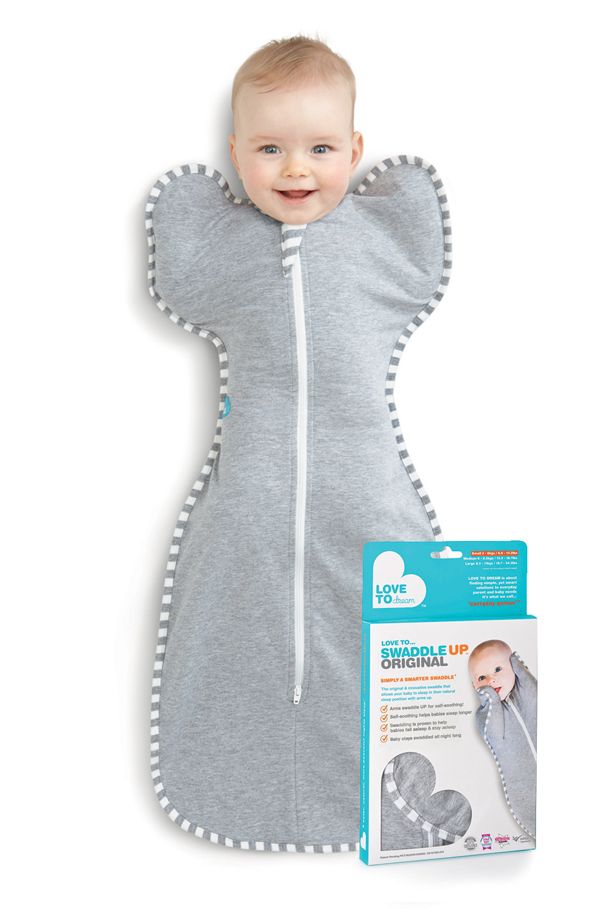
Zip-closure arms-up design; IHDI hip-certified; 1.0 TOG standard and 0.2 TOG Lite versions available; sold direct at lovetodream.com.
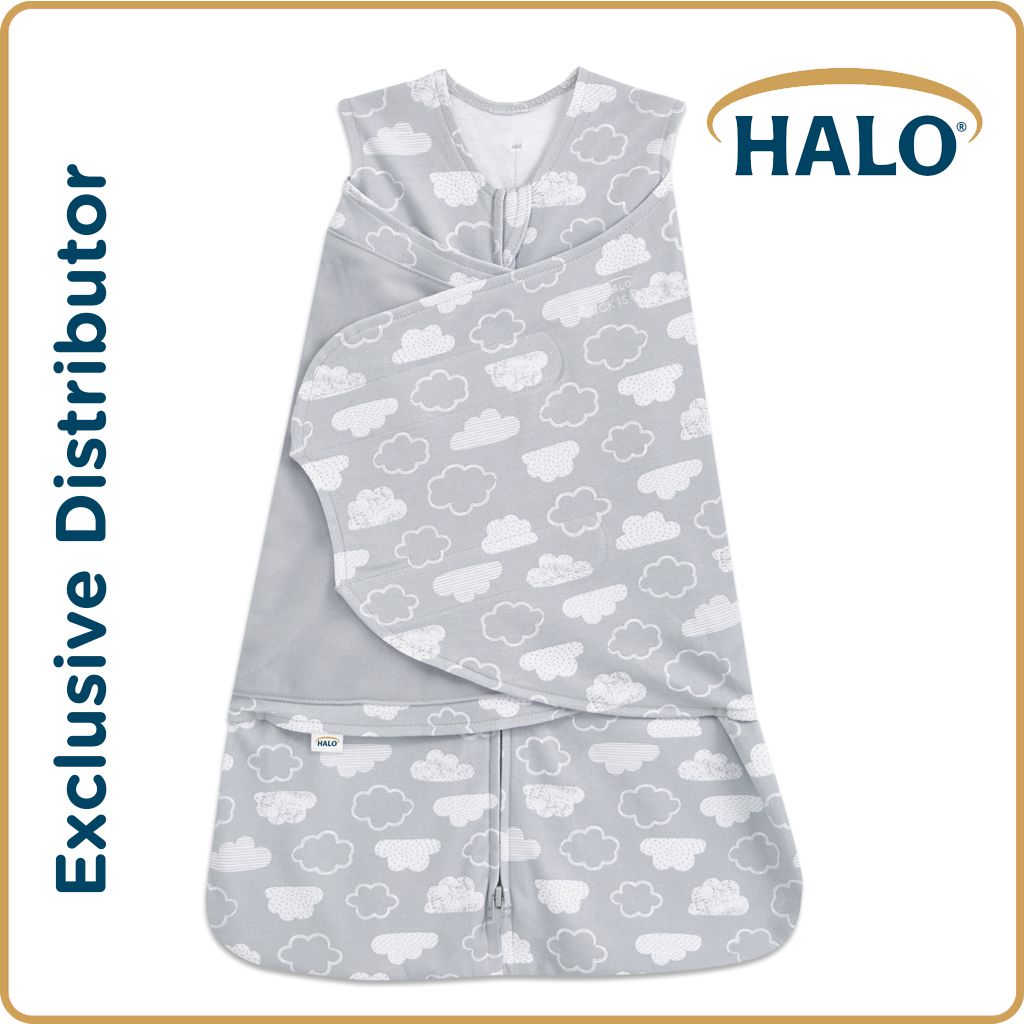
AAP-endorsed 3-way adjustable swaddle and sleep sack combo; transitions from both arms swaddled to arms-free; sold at halosleep.com.

IHDI-certified hip-healthy swaddle with inner wings and outer zip shell; stretchy polyester-spandex blend; sold at ergobaby.com.
Subscribe to our newsletter
Occasional updates and new releases — no spam.
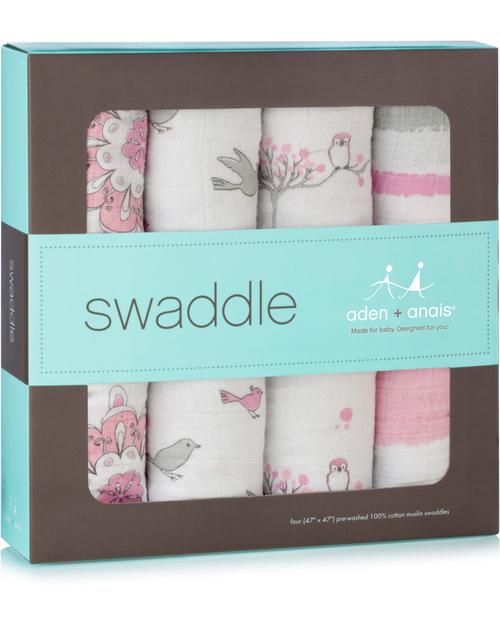
4-pack 100% cotton muslin blankets; 47x47 inches; multi-use as stroller cover, nursing cover, and burp cloth; sold at adenandanais.com.
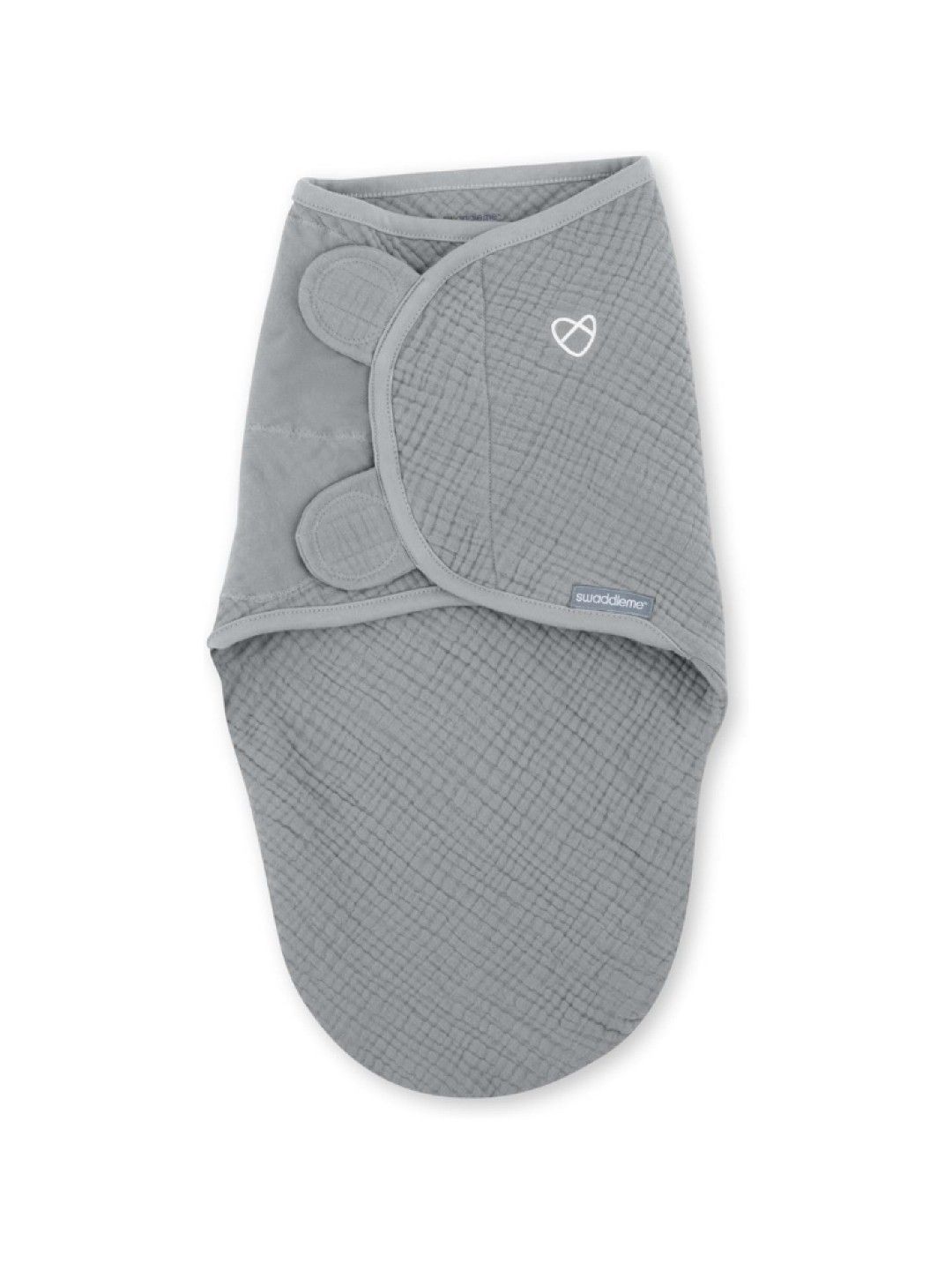
Budget velcro swaddle wrap with bottom zip for diaper access; available in S, M, L sizes; sold at summerinfant.com.
How We Compared 5 Swaddles
The five swaddles below cover every major design philosophy on the market: arms-up zip (Love To Dream), wearable-blanket hybrid (Halo), hip-certified wrap (Ergobaby), traditional muslin (aden + anais), and budget velcro (SwaddleMe). Prices range from $15 to $55 for a 4-pack. Here's how they stack up at a glance: | Swaddle | Price | Key Strength | Rating | Verdict | |---|---|---|---|---| | Love To Dream Swaddle UP | $30–$45 | Arms-up zip, escape-proof | 9/10 | Best overall | | Halo SleepSack Swaddle | $25–$35 | AAP-approved, 3-way fit | 8.5/10 | Best for safety-conscious parents | | Ergobaby Swaddler | $30–$50 | IHDI hip-certified | 8/10 | Best for hip health | | aden + anais Classic Swaddle | $45–$55 (4-pack) | Breathable muslin, versatile | 7.5/10 | Best for warm climates | | SwaddleMe Original | $15–$25 | Budget, fast diaper access | 7/10 | Best for budget buyers |
This comparison relies on published specifications and parent reports. One point worth flagging: with wrap-style blankets the technique matters enormously, and a first-time parent working alone at 3 a.m. will get very different results.
Love To Dream Swaddle UP — Best Overall
The arms-up design is the single biggest differentiator in this comparison. Babies spend roughly 40% of sleep time with hands near their face in utero — Love To Dream accommodates that instead of fighting it. Parents report the same pattern: babies who fought their way out of a traditional wrap night after night stay put in the Swaddle UP, with longer unbroken sleep stretches within the first week.
The zip closure runs from the bottom up, which makes nighttime diaper changes take about 25 seconds without fully unwrapping the baby. Hip positioning is certified by the International Hip Dysplasia Institute (IHDI), which is the certification to look for if hip development is a concern. The 1.0 TOG weight is comfortable at room temperatures of 68–72°F. For warmer rooms, they offer a 0.2 TOG Lite version at a similar price.
The one real weakness is the price: $30–$45 per swaddle, and you'll need at least two for overnight rotation during laundry. The sizing is also unforgiving — the S/M split (up to 13 lbs vs. 13–19 lbs) means a bigger newborn burns through the Small fast. Buy both sizes upfront if your baby is on the larger end.
Halo SleepSack Swaddle — Best for Safety-Conscious Parents
The Halo is the most versatile swaddle in this group because it transitions in three stages: both arms swaddled, one arm out, then both arms out. That 3-way adjustability makes it the only swaddle here you can use from birth through the rolling milestone without buying a new product. The American Academy of Pediatrics endorses it by name in their safe sleep guidance — which carries weight if your pediatrician or NICU nurse is advising you.
The wearable-blanket base layer means there's no loose fabric in the crib, which addresses the primary safe-sleep concern about traditional blanket swaddles. At $25–$35, it's also the second-cheapest option in this comparison. Parents report it holding securely night after night, with the occasional escape when the velcro wing loosens after a particularly active stretch.
The fit is less snug than the Love To Dream for active babies. If your newborn already fights sleep, the Halo's wings can loosen. It also runs warm — the standard cotton version isn't ideal above 72°F (22°C). A micro-fleece version exists but adds cost.
Ergobaby Swaddler — Best for Hip Health
The Ergobaby Swaddler is the only product here with explicit IHDI (International Hip Dysplasia Institute) certification beyond the Love To Dream. The key design feature is the roomy hip pouch: it keeps the legs in a natural froggy position rather than extended straight down, which matters during the first 3–4 months when hip joints are developing. If your family has a history of hip dysplasia or your pediatrician flagged hip development at birth, this and the Love To Dream are the two to look at first.
The inner wings wrap the torso snugly while the outer zip-closure shell keeps everything in place. Owners report that arms stay put overnight rather than working free. Diaper changes are quick, though slightly slower than the Love To Dream because the inner wings need re-tucking afterward.
Pricing at $30–$50 puts it at the high end of individual swaddles. The fabric is a polyester-spandex blend that stretches well but runs slightly warm — a thin onesie underneath is the better layer above 70°F, rather than a footed sleeper. Sizing stops at Large (fits up to 26 lbs), which is actually generous compared to competitors who transition you to a sleep sack around 19 lbs.
aden + anais Classic Swaddle — Best for Warm Climates
aden + anais muslin blankets are the swaddle standard that generations of parents know. The 100% cotton muslin fabric breathes better than any woven or knit swaddle in this list — important if you live somewhere warm or if your baby runs hot. The 4-pack ($45–$55) works out to roughly $11–$14 per blanket, making this the best per-unit value.
Beyond swaddling, each blanket doubles as a stroller cover, nursing cover, play mat, or burp cloth. That versatility is real — parents report using theirs in all four ways within the first month. The 47x47-inch size gives enough fabric to get a tight wrap even on bigger newborns.
The downside is technique dependency. A proper swaddle with a flat blanket takes 60–90 seconds at first and 30–40 seconds once practiced. At 3 a.m. with a screaming baby, it's significantly harder than a zip or velcro closure. First-time parents or solo parents doing nighttime feeds will find this frustrating compared to the zip-closure options. It's best used as a secondary swaddle once you've built muscle memory, or by parents who already know the technique.
SwaddleMe Original — Best Budget Option
At $15–$25, the SwaddleMe is the entry point for parents who want a structured swaddle without committing $40+ per unit. The velcro closure is fast — about 20 seconds per wrap — and the bottom opening zipper makes diaper changes quick without fully undoing the swaddle. For parents juggling multiple nighttime changes, that speed adds up.
The velcro held reliably for babies under roughly 11 lbs. Above that weight, an active baby can generate enough force to pop the wings. Owner reports of babies breaking out of the wings cluster right around that threshold. Sizing up resolves this, and SwaddleMe offers Small (7–14 lbs), Medium (14–18 lbs), and Large (18–21 lbs).
The main usability complaint — and it's a real one — is the velcro noise. Fastening the wings at 2 a.m. makes a tearing sound that wakes a light sleeper. Some parents wrap beforehand or use the velcro slowly to muffle it, but it's an inherent design trade-off. If your baby is a particularly light sleeper, the zip-closure options (Love To Dream, Ergobaby) are quieter by a significant margin.
Frequently asked questions
When should I stop swaddling my baby?▼
Are arms-up swaddles safer than arms-down swaddles?▼
What TOG rating should I choose for my baby's swaddle?▼
Can a swaddle cause hip dysplasia?▼
How many swaddles do I need?▼
My baby keeps escaping the swaddle — what should I do?▼
Is swaddling safe for overnight sleep?▼
At what age can I start swaddling?▼
What's the difference between a swaddle and a sleep sack?▼
Can I wash swaddles in a regular washing machine?▼
Prices change. Check the retailer for the current price.
Comments & questions
Discussion happens on nattzy, our community forum. Sign in with Google to post — it takes a second.
Related articles

Best Baby Carrier 2026: 5 carriers through 4 seasons

Best Baby Formula 2026: 5 brands compared by ingredients
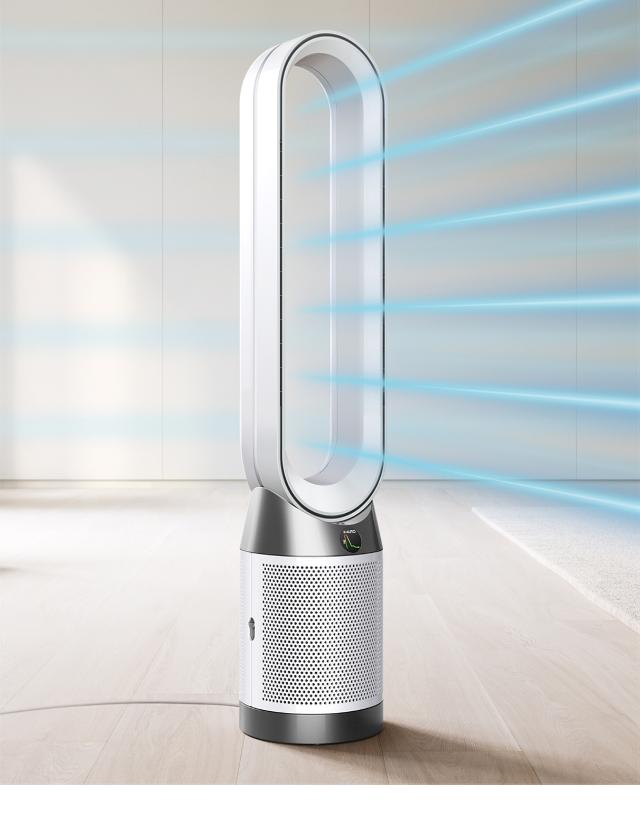
Best Air Purifier 2026: 5 models compared honestly

ConoHa WING review (2026): setup, speed and pricing
Best JP rental server 2026: 5 hosts ranked
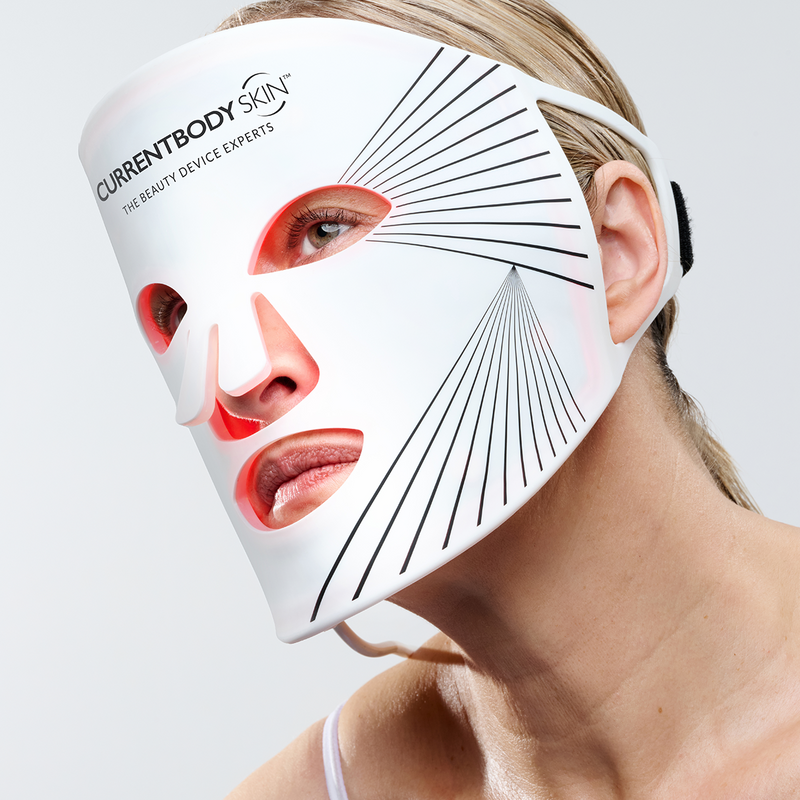
Best LED Face Masks 2026: 3 Light Therapy Devices Compared