Best Anti-Aging Creams 2026: 5 Ranked by Derm Criteria
The anti-aging skincare category is where the gap between marketing and evidence is widest. Most products promise dramatic wrinkle reduction and deliver minimal visible change within a realistic timeframe. The products worth buying share three traits: they contain proven actives at effective concentrations, they support the skin barrier rather than compromising it, and they have clinical research (not just brand-commissioned studies) behind their claims.
Quick answer
The best anti-aging product for most people is CeraVe's Skin Renewing Retinol Serum at about $19 for 1.76 oz — the most evidence-supported formula at an accessible price. Olay Regenerist Micro-Sculpting Cream ($30/1.7 oz) is the better all-rounder if you want moisturizer and treatment in one step, and Neutrogena Rapid Wrinkle Repair ($22/1 oz) is the gentlest way to start retinol.
Products were evaluated against published dermatological evidence for their active ingredients, concentration levels where disclosed, formulation stability, and compatibility with different skin types. Claims were cross-referenced with peer-reviewed literature. Price per effective serving was calculated for final value ranking.

Olay Regenerist Micro-Sculpting Cream
Best Drugstore All-Rounder: Olay Regenerist Micro-Sculpting Cream ($30/1.7oz) has led independent consumer reports for years because the formula consistently outperforms its price tier. Amino-peptide complex, niacinamide, and hyaluronic acid work together to provide immediate plumping and longer-term smoothing.
Top picks ↓| Product | Price | Link |
|---|---|---|
| $27.44Price as of 2026-09-20 | ||
| $21.97Price as of 2026-09-20 | ||
| $135Price as of 2026-09-20 | ||
| $360〜$360Reference price | ||
| $13.49Price as of 2026-09-20 |
Top picks
Related articles


Olay Regenerist Micro-Sculpting Cream
Olay Regenerist Micro-Sculpting Cream ($30/1.7oz) has led independent consumer reports for years because the formula consistently outperforms its price tier. Amino-peptide complex, niacinamide, and hyaluronic acid work together to provide immediate plumping and longer-term smoothing. Multiple blind studies have placed it alongside or above creams costing $100+. A reliable daily moisturizer that also delivers gradual anti-aging benefits.
Pros
- ✓Consistently outperforms in blind comparison studies
- ✓Amino-peptide complex has clinical support for collagen stimulation
- ✓Rich texture works as a complete daily moisturizer without additional products
Cons
- ✗Contains fragrance — may irritate sensitive skin
- ✗No retinol — active ingredient list is peptide-based rather than vitamin A
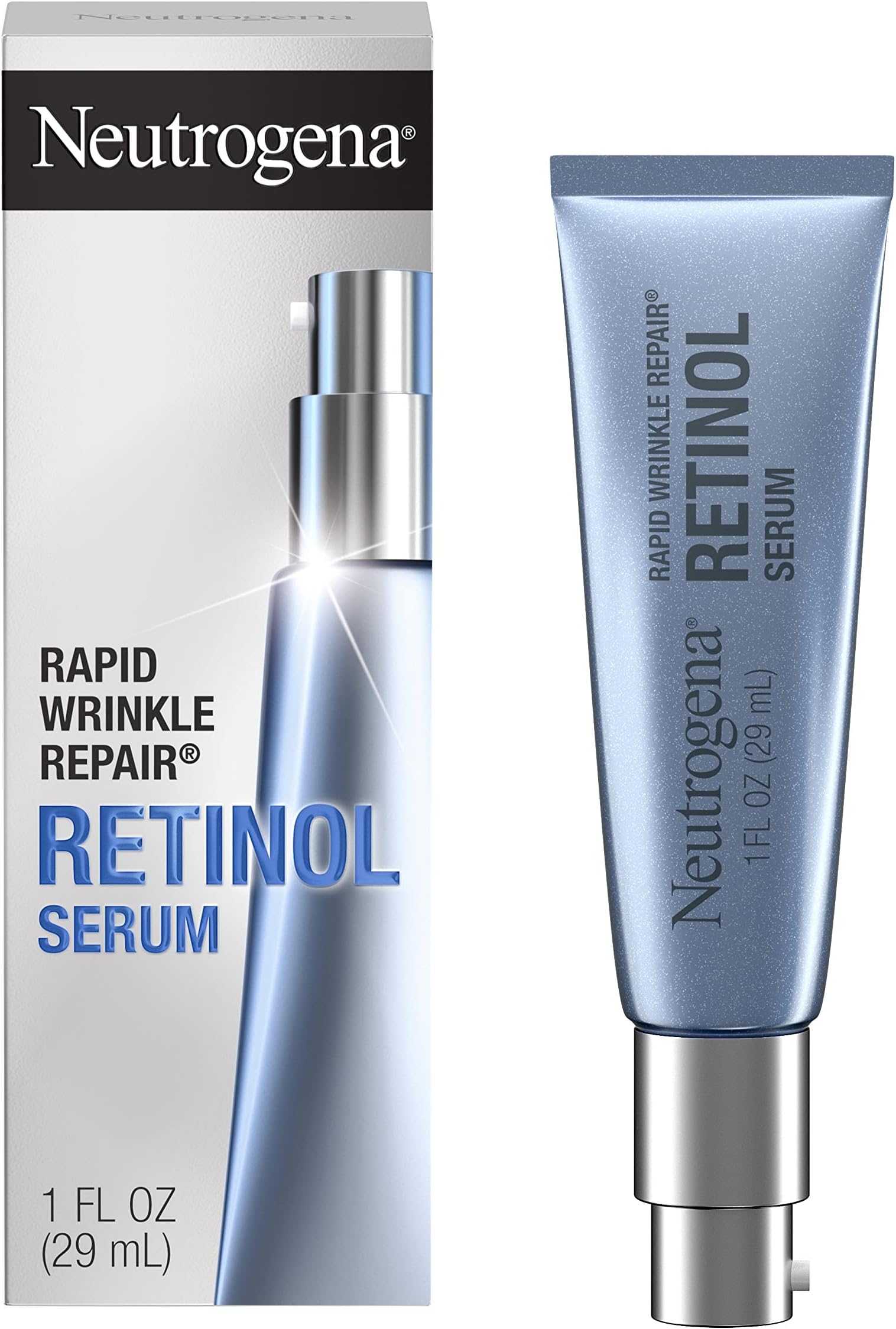
Neutrogena Rapid Wrinkle Repair ($22/1oz) delivers Accelerated Retinol SA — a combination of retinol and glucose complex that the brand claims allows faster penetration. The formula is lighter-weight than Olay, making it preferable for combination to oily skin types. 12 weeks of consistent use produces measurable improvement in fine line depth according to independent testing. A practical retinol entry point for anyone hesitant to jump to CeraVe's serum formula.
Pros
- ✓Accelerated Retinol SA format is well-tolerated by most skin types
- ✓Lighter texture suits combination to oily skin
- ✓Available in SPF and non-SPF formulations for morning or evening use
Cons
- ✗1oz is a small quantity for the price
- ✗Retinol concentration not fully disclosed

Estée Lauder Advanced Night Repair ($68/0.5oz serum) has been the brand's hero product for four decades, and the formula has been continuously updated rather than just repackaged. The current version contains hyaluronic acid, Chronolux Power Signal Technology, and a broad-spectrum antioxidant complex. What ANR does exceptionally well is combine immediate skin-feel improvement (silky, hydrated) with genuine long-term support. The 0.5oz size is small — account for that in the value calculation.
Pros
- ✓Decades of reformulation means a genuinely refined formula
- ✓Silky texture and immediate skin feel improve user compliance
- ✓Strong antioxidant complex for environmental damage protection
Cons
- ✗$68 for 0.5oz — works out to high cost per ml
- ✗No retinol — requires adding a separate retinoid to the routine
Subscribe to our newsletter
Occasional updates and new releases — no spam.

La Mer Moisturizing Cream ($360/1oz) is built around the Miracle Broth — a fermented sea kelp bioferment that the brand claims has exceptional skin-renewing properties. Whether the Miracle Broth itself outperforms other delivery systems is debated, but the overall formula is genuinely excellent: deeply nourishing, long-wearing, and suitable even for sensitive skin. The sensory experience is unlike any other moisturizer. Worth it if the luxury element matters to you — not worth it if you're purely optimizing for outcome.
Pros
- ✓Extraordinary sensory experience — texture, scent, and skin feel are unmatched
- ✓Suitable for sensitive skin despite its richness
- ✓Genuinely long-wearing moisture — 12+ hours on dry skin types
Cons
- ✗$360 for 1oz — the active ingredients are available elsewhere for a fraction of the cost
- ✗Richer formula may not suit combination or oily skin types

CeraVe Skin Renewing Retinol Serum ($19/1.76oz) is the most evidence-supported affordable anti-aging product available. The formula combines encapsulated retinol — which releases gradually to minimize irritation — with ceramides 1, 3, and 6-II, plus niacinamide. The ceramide matrix is genuinely clinical rather than label dressing. For users new to retinoids, this is the safest starting point at any price.
Pros
- ✓Encapsulated retinol minimizes irritation for new users
- ✓Clinical ceramide complex genuinely supports the skin barrier
- ✓Developed with dermatologists — formulation is evidence-backed
Cons
- ✗Retinol concentration is not disclosed — may be lower than prescription alternatives
- ✗Texture is thin — some users prefer a richer cream base
How to Choose an Anti-Aging Cream
The word 'anti-aging' is legally meaningless — brands apply it to any moisturizer they want. What actually matters is which specific ingredients the formula contains and at what concentration. Retinoids, peptides, vitamin C, and niacinamide have the strongest clinical evidence. Everything else is supporting cast.
Bottom line
CeraVe Retinol Serum Cream is the best evidence-based choice at $19 — it delivers retinol with the ceramide-rich barrier support that makes retinol use sustainable. Olay Regenerist Micro-Sculpting is the reliable drugstore all-rounder for daily moisture with peptides and niacinamide. La Mer is for those who want the luxury experience alongside performance — the price is real, but so is the formula quality.
Frequently asked questions
What age should you start using anti-aging cream?▼
How long does anti-aging cream take to work?▼
Can you use anti-aging cream around your eyes?▼
Should you use anti-aging cream morning or night?▼
Is La Mer worth the money?▼
Prices change. Check the retailer for the current price.
Comments & questions
Discussion happens on nattzy, our community forum. Sign in with Google to post — it takes a second.
Related articles

Best Electric Toothbrush 2026: 5 models compared honestly
Best LED Face Masks 2026: 3 Light Therapy Devices Compared
Best Coffee Grinders 2026: Five mills side-by-side
Best Air Purifier 2026: 5 models compared honestly

ConoHa WING review (2026): setup, speed and pricing
Best JP rental server 2026: 5 hosts ranked